
No Results Found
The page you requested could not be found. Try refining your search, or use the navigation above to locate the post.

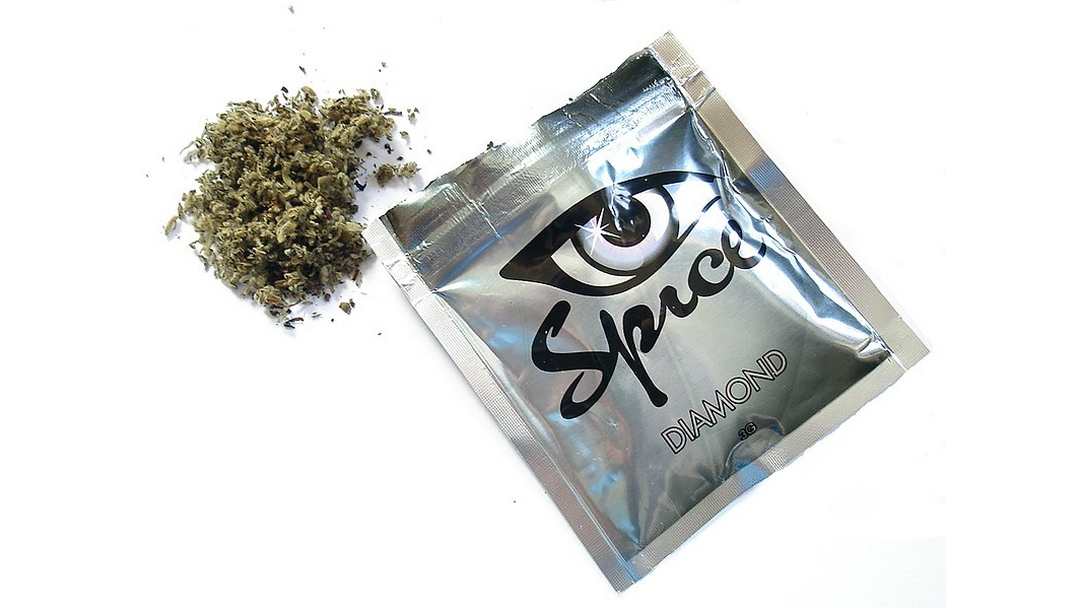
State public health and poison centers have issued warnings in response to adverse health effects associated with abuse of herbal incense products containing these synthetic cannabinoids. These adverse effects included tachycardia (elevated heart rate), elevated blood pressure, unconsciousness, tremors, seizures, vomiting, hallucinations, agitation, anxiety, pallor, numbness, and tingling. This is in addition to the numerous public health and poison centers which have similarly issued warnings regarding the abuse of these synthetic cannabinoids. In some instances, the adverse health effects can be long-lasting even after the user quits using the substances.
In October 2010, seven artificial marijuana chemicals (JWH-015, JWH-018, JWH-073, JWH200, JWH-250, CP-47,497, HU-210) were made illegal in Michigan with penalties similar to marijuana possession (yeah they can still get ya in 2024 for weed)
5 Products that contain one or more of these chemicals are illegal.
However, as new formulas or versions of these drugs are marketed, they may contain chemicals not covered by the current law.
What if I have more questions?
The Michigan PCC is open 24 hours a day, 7 days a week to answer medical questions or concerns related to poisoning events. The PCC Help Hotline is: 1-800-222-1222.
If you got into a situation with the law then you want to call our number (248) 357-2550
Related Articles
The page you requested could not be found. Try refining your search, or use the navigation above to locate the post.

Fri, 10/30/2015 - 4:11pm A Michigan medical-marijuana patient claims in court papers that state police crime labs are bending to pressure from prosecutors in analyzing...

SPRING LAKE, Mich. – The defense representing a Spring Lake father facing a felony marijuana charge is accusing Michigan State Police Forensic Science Division crime...

By Attorney Michael Komorn " Lieutenant, this lawyer is a pain in the ass, I can't stand him, I really hate him" This was my client's observation of the...
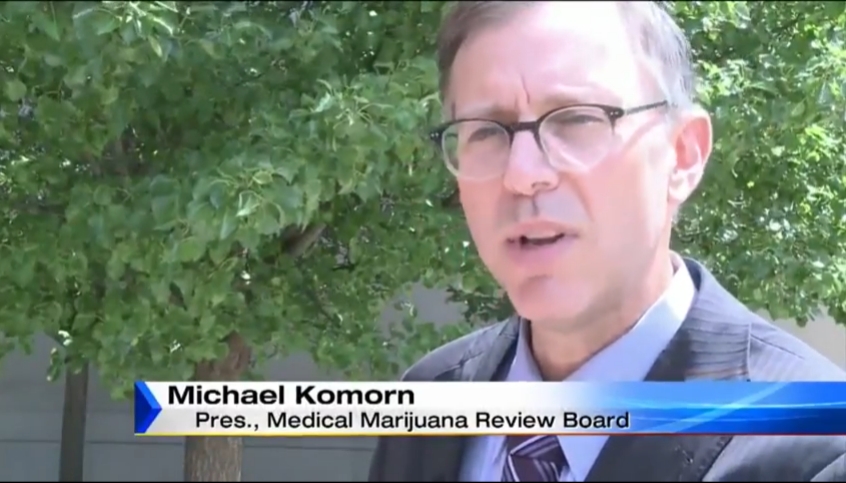
"Allowing medical marijuana for those with autism was supposed to be the clinical trial," Komorn said. "Instead, we're going to have criminal trials." Lawyer...
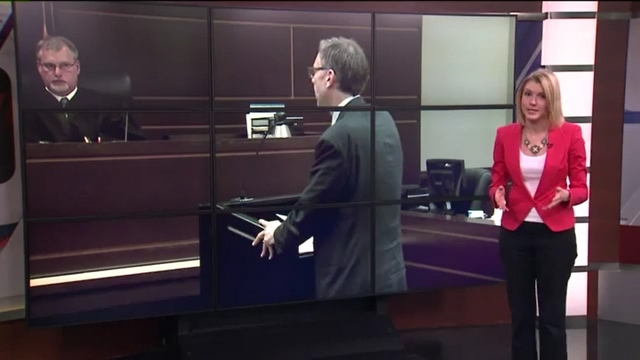
April 23, 2015 - In Western Michigan yet another Michigan Medical Marijuana patient is fighting for his freedom in a system of confusing laws. He is also...
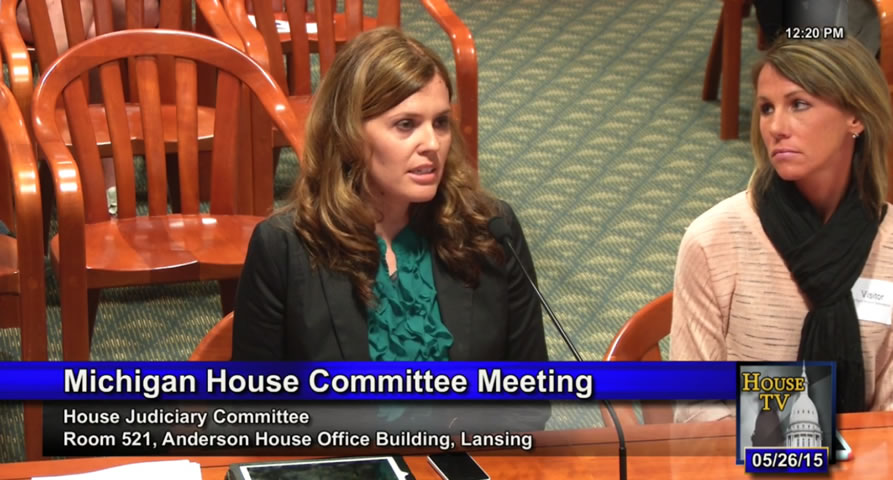
Aug 5, 2015 - After a year long battle, Michigan Attorney Michael Komorn and his staff have chalked up another positive conclusion for a client caught up in the...

For most... a security video system is a tool to protect themselves from liability, false accusations and identify activities around their home or business. For some,...
July 24, 2015 Dashcam video released this week from a traffic stop shows how a confrontation between a Texas woman and the arresting officer escalated. Given the...
The Detroit police raided and made arrests at marijuana dispensary in an article in the Detroit Free Press from July 14, 2015. Detroit police arrested two people and...
On November 8th, 2008, by a majority of 63 percent, the citizens of the State of Michigan voted into law the constitutional initiative, Initiated Law 1 of 2008,...

Updated February 13, 2024
The Michigan Rules of Court are the rules adopted by the Michigan Supreme Court to govern Michigan’s legal system and the judges, lawyers, and other professionals who are charged with preserving the integrity of that system. The purpose of the Court Rules is to establish uniform rules and procedures for all levels of Michigan’s court system. These regulations ensure that cases are resolved without undue delay and that those who appear in court receive due process and equal treatment under the law.
Related Articles
The page you requested could not be found. Try refining your search, or use the navigation above to locate the post.
Fri, 10/30/2015 - 4:11pm A Michigan medical-marijuana patient claims in court papers that state police crime labs are bending to pressure from prosecutors in analyzing...
SPRING LAKE, Mich. – The defense representing a Spring Lake father facing a felony marijuana charge is accusing Michigan State Police Forensic Science Division crime...
By Attorney Michael Komorn " Lieutenant, this lawyer is a pain in the ass, I can't stand him, I really hate him" This was my client's observation of the...
"Allowing medical marijuana for those with autism was supposed to be the clinical trial," Komorn said. "Instead, we're going to have criminal trials." Lawyer...
April 23, 2015 - In Western Michigan yet another Michigan Medical Marijuana patient is fighting for his freedom in a system of confusing laws. He is also...
Aug 5, 2015 - After a year long battle, Michigan Attorney Michael Komorn and his staff have chalked up another positive conclusion for a client caught up in the...
For most... a security video system is a tool to protect themselves from liability, false accusations and identify activities around their home or business. For some,...
July 24, 2015 Dashcam video released this week from a traffic stop shows how a confrontation between a Texas woman and the arresting officer escalated. Given the...
The Detroit police raided and made arrests at marijuana dispensary in an article in the Detroit Free Press from July 14, 2015. Detroit police arrested two people and...
On November 8th, 2008, by a majority of 63 percent, the citizens of the State of Michigan voted into law the constitutional initiative, Initiated Law 1 of 2008,...

With the ever-expanding digital landscape, cyberbullying has become a harsh reality for many. Michigan, recognizing its seriousness, has established specific laws to address this issue.
MCL 750.411x defines cyberbullying as posting a message in a public online forum about someone with the intent to threaten them with violence. This means simply posting something mean online doesn’t qualify as cyberbullying under this law.
However, if the post expresses a clear intention to harm the person, putting them in fear of bodily injury or death, it might be considered cyberbullying.
Definition
(6) As used in this section:
A first offense is punishable as a misdemeanor with up to 93 days in jail and a $500 fine. If the offender has a prior cyberbullying conviction, the penalties increase to a maximum of 1 year in jail and a $1,000 fine. Remember, these are just the legal consequences; cyberbullying can also have lasting social and emotional repercussions.
Have your rights been violated?
Have your driving priviledges been revoked?
Has your professional license been suspended?
Second Amendment rights taken away?
Have you been charged with a crime?
Call our office to see if we can help
Komorn Law 248-357-2550
If you encounter cyberbullying, don’t engage. Report the incident to the platform where it occurred and keep evidence like screenshots. Consider talking to a trusted adult or seeking help from organizations like Cyberbullying Research Center or StopBullying.gov. Remember, you’re not alone.
MCL 750.411x serves as a safeguard against online threats, but remember, online safety is a shared responsibility. By understanding the law, respecting others, and reporting harmful behavior, we can create a more positive and inclusive digital space for everyone.

Related Articles

Because this is how it always goes...This is the second part of this post. Read this first - Just Because You're Hanging Out in a High Crime Area Doesn't Make You Suspicious.Standard for Investigatory Detentions / Terry Stops Under Terry v Ohio and other well...

Mere presence in a “high crime” area does not provide particularized suspicion of criminal activity for an investigatory detention.People vs Prude In People v Prude, Prude was in a parked vehicle at an apartment complex that was regularly patrolled by police because...

There's another bounty to be claimed besides turning in your neighbor.Defined here in HB6144 can mean so many things... “firearm” means any weapon that will, is designed to, or may readily be converted to expel a projectile by action of an explosiveEntrepreneurs get...

Sextortion - Extortion with an S.Michigan House Bills 5887 and 5888 make sextortion illegal in Michigan. The law defines sextortion as a threat to create or disseminate sexually explicit images or videos of another person to coerce them. The new law makes a first...
Fri, 10/30/2015 - 4:11pm A Michigan medical-marijuana patient claims in court papers that state police crime labs are bending to pressure from prosecutors in analyzing marijuana samples, leading to harsher punishments. Maxwell Lorincz, 35, was originally...
SPRING LAKE, Mich. – The defense representing a Spring Lake father facing a felony marijuana charge is accusing Michigan State Police Forensic Science Division crime labs of misreporting marijuana intentionally. It’s an allegation with statewide implications. ...
By Attorney Michael Komorn " Lieutenant, this lawyer is a pain in the ass, I can't stand him, I really hate him" This was my client's observation of the prosecutor after exiting the conference room she and I had been in for over an hour discussing and...
"Allowing medical marijuana for those with autism was supposed to be the clinical trial," Komorn said. "Instead, we're going to have criminal trials." Lawyer slams decision to deny cannabis to autistic kids The Detroit News Article August 28, 2015 - Lansing —...
April 23, 2015 - In Western Michigan yet another Michigan Medical Marijuana patient is fighting for his freedom in a system of confusing laws. He is also fighting for the right to see his child all while the State of Michigan possibly destroys his family and...
Aug 5, 2015 - After a year long battle, Michigan Attorney Michael Komorn and his staff have chalked up another positive conclusion for a client caught up in the medical marijuana and forfeiture debacle. Some may consider it a win, but this slow ruination of a family...
For most... a security video system is a tool to protect themselves from liability, false accusations and identify activities around their home or business. For some, such as thieves, those who make false accusations and liars...it works against them. There...
July 24, 2015 Dashcam video released this week from a traffic stop shows how a confrontation between a Texas woman and the arresting officer escalated. Given the circumstances in the aforementioned Sandra Bland case, we wanted to find out what is allowed and not...
The Detroit police raided and made arrests at marijuana dispensary in an article in the Detroit Free Press from July 14, 2015. Detroit police arrested two people and confiscated two firearms and drugs during a raid on a marijuana dispensary Tuesday afternoon. Police...
On November 8th, 2008, by a majority of 63 percent, the citizens of the State of Michigan voted into law the constitutional initiative, Initiated Law 1 of 2008, ratified into law December 4, 2008, herein referred to as the Michigan Medical Marihuana Act, MCL 333.26421...

Involuntary manslaughter differs from murder in that it lacks intent to kill.
In Michigan, it is somewhat defined as the killing of another person through:
Involuntary manslaughter distinguishes itself from voluntary manslaughter based on the intent of the alleged offender.
The broad differentiating factor lies in whether the accused intended to cause severe physical harm to the victim, as seen in cases of voluntary manslaughter.
Conversely, in cases of involuntary manslaughter, the accused is alleged to have caused the victim’s death without malice or intent.
A conviction of voluntary manslaughter can arise when the accused did not have the intention to cause serious bodily harm to the victim but exhibited a significant lack of care in their behavior towards the victim’s safety.
The determining factor between these two homicide offenses is typically the presence of intent.
Charged with Homicide, Second Degree Murder, Manslaughter?
Call our office to see if we can help
Komorn Law 248-357-2550
Beyond the legal penalties, a conviction for involuntary manslaughter can have lasting consequences, including:
Related Articles
Because this is how it always goes...This is the second part of this post. Read this first - Just Because You're Hanging Out in a High Crime Area Doesn't Make You Suspicious.Standard for Investigatory Detentions / Terry Stops Under Terry v Ohio and other well...
Mere presence in a “high crime” area does not provide particularized suspicion of criminal activity for an investigatory detention.People vs Prude In People v Prude, Prude was in a parked vehicle at an apartment complex that was regularly patrolled by police because...
There's another bounty to be claimed besides turning in your neighbor.Defined here in HB6144 can mean so many things... “firearm” means any weapon that will, is designed to, or may readily be converted to expel a projectile by action of an explosiveEntrepreneurs get...
Sextortion - Extortion with an S.Michigan House Bills 5887 and 5888 make sextortion illegal in Michigan. The law defines sextortion as a threat to create or disseminate sexually explicit images or videos of another person to coerce them. The new law makes a first...
Fri, 10/30/2015 - 4:11pm A Michigan medical-marijuana patient claims in court papers that state police crime labs are bending to pressure from prosecutors in analyzing marijuana samples, leading to harsher punishments. Maxwell Lorincz, 35, was originally...
SPRING LAKE, Mich. – The defense representing a Spring Lake father facing a felony marijuana charge is accusing Michigan State Police Forensic Science Division crime labs of misreporting marijuana intentionally. It’s an allegation with statewide implications. ...
By Attorney Michael Komorn " Lieutenant, this lawyer is a pain in the ass, I can't stand him, I really hate him" This was my client's observation of the prosecutor after exiting the conference room she and I had been in for over an hour discussing and...
"Allowing medical marijuana for those with autism was supposed to be the clinical trial," Komorn said. "Instead, we're going to have criminal trials." Lawyer slams decision to deny cannabis to autistic kids The Detroit News Article August 28, 2015 - Lansing —...
April 23, 2015 - In Western Michigan yet another Michigan Medical Marijuana patient is fighting for his freedom in a system of confusing laws. He is also fighting for the right to see his child all while the State of Michigan possibly destroys his family and...
Aug 5, 2015 - After a year long battle, Michigan Attorney Michael Komorn and his staff have chalked up another positive conclusion for a client caught up in the medical marijuana and forfeiture debacle. Some may consider it a win, but this slow ruination of a family...
For most... a security video system is a tool to protect themselves from liability, false accusations and identify activities around their home or business. For some, such as thieves, those who make false accusations and liars...it works against them. There...
July 24, 2015 Dashcam video released this week from a traffic stop shows how a confrontation between a Texas woman and the arresting officer escalated. Given the circumstances in the aforementioned Sandra Bland case, we wanted to find out what is allowed and not...
The Detroit police raided and made arrests at marijuana dispensary in an article in the Detroit Free Press from July 14, 2015. Detroit police arrested two people and confiscated two firearms and drugs during a raid on a marijuana dispensary Tuesday afternoon. Police...
On November 8th, 2008, by a majority of 63 percent, the citizens of the State of Michigan voted into law the constitutional initiative, Initiated Law 1 of 2008, ratified into law December 4, 2008, herein referred to as the Michigan Medical Marihuana Act, MCL 333.26421...

Domestic Violence
The legislature passed a package of bills that add subsets to certain misdemeanor offenses (identified below) for offenses involving domestic relationships.
See 2023 PA 199 (eff. Feb 13, 2024).
Violation of these provisions are considered domestic violence. Misdemeanors involving domestic violence are defined in MCL 750.224f(10)(c), amended by 2023 PA 201 (eff. Feb 13, 2024), and include the following:
Importantly, under MCL 750.224f(5), amended by 2023 PA 201 (eff. Feb 13, 2024), an offender convicted of a misdemeanor involving domestic violence, as listed above,
shall not possess, use, transport, sell, purchase, carry, ship, receive, or distribute a firearm or ammunition in this state until the expiration of 8 years after all of the following circumstances exist:
(a) The person has paid all fines imposed for the violation.
(b) The person has served all terms of imprisonment imposed for the violation.
(c) The person has successfully completed all conditions of probation imposed for the violation.
Have your rights been violated?
Have your driving priviledges been revoked?
Has your professional license been suspended?
Second Amendment rights taken away?
Have you been charged with a crime?
Call our office to see if we can help
Komorn Law 248-357-2550
In addition to domestic violence measures, 2023 PA 201 (eff. Feb 13, 2024) expands the definition of felony to include violations “punishable by imprisonment for a term exceeding 1 year.” MCL 750.224f(10)(b), amended by 2023 PA 201 (eff. Feb 13, 2024) (emphasis added). Previously, a felony was defined as a violation of law punishable by imprisonment for four or more years. Consequently, 2023 PA 201 increases the number of offenses that fall under the three-year firearms and ammunition prohibition in MCL 750.224f(1).
Juvenile Reforms
Screening Tools and Risk Assessment
2023 PA 287 (eff. Oct 1, 2024) amends the Juvenile Diversion Act, MCL 722.822, .823, .826, and .829, to allow the use of risk and mental health screening tools before a diversion decision for the minor is made. The amended act states that these tools may not be conducted on a minor who is either (1) accused or charged with a specified juvenile violation or (2) currently under supervision in the juvenile justice system by the court or the Department of Health and Human Services. A minor may not be diverted under the act unless a law enforcement official or court intake worker (1) receives the results of a risk screening tool and a mental health screening tool for the minor and (2) uses the results of the risk screening tool and the mental health screening tool as well as the best interests of public safety and the minor to inform the decision to divert the minor.
In addition, 2023 PA 289 (eff. Oct 1, 2024) amends MCL 712A.2f to require a court to consider the results of a screening before placing a juvenile’s case on the consent calendar. The results of a screen under these amendments are confidential case records.
The procedure for juvenile detention has also been modified. 2023 PA 290 (eff. Oct 1, 2024) amends MCL 712A.15 and .16 to state that before a juvenile may be detained in a secure facility pending hearing, an individual or agency must use a detention screening tool on the juvenile. The court then must consult those results and follow any rules regarding their use. The amendments further specify that any statement or incriminating evidence obtained during screening is not admissible as evidence in a court proceeding.
2023 PA 298 (eff. Oct 1, 2024) amends MCL 712A.18 to require a designated, trained individual or agency to conduct a risk and needs assessment for each juvenile before a disposition. The amendment also requires a court to consider the results of the assessment, in addition to other factors, when making a disposition decision. Finally, the amended statute requires an additional assessment if six months have passed, if the juvenile experienced a major life event, or if there was a major change in the juvenile’s proceedings.
Factors to Consider to Try a Juvenile as an Adult
Effective October 1, 2024, 2023 PA 291 amends MCL 712A.2d, .2f, and .4 by modifying the factors a court must consider before trying a juvenile as an adult. These factors now include
See MCL 712A.2d(2)(a)–(i), amended by 2023 PA 291 (eff. Oct 1, 2024).
Time to Complete Diversion
2023 PA 288 (eff. Oct 1, 2024) amends MCL 722.825 and .826 to limit the time a minor has to complete a diversion agreement to not exceed three months unless it is determined that a longer term is necessary.
Delinquent Accounts
2023 PA 292 (eff. Oct 1, 2024) amends MCL 600.4803 to exempt a juvenile or their parent or guardian from a late penalty if the juvenile failed to pay a fee or cost associated with the proceedings in 56 days. Furthermore, 2023 PA 293 (eff. Oct 1, 2024) amends MCL 769.1 to delete certain provisions relating to reimbursement for court fees in a juvenile case.
Crime Victims’ Rights
MCL 760.21b(1), added by 2023 PA 180 (eff. Feb 13, 2024), states in part that “[a] police officer or a prosecuting attorney may provide a domestic or sexual violence service provider agency with the name, demographics, and other pertinent information of, and information to facilitate contact with, a victim of domestic or sexual violence for the purpose of offering supportive services to the victim.”
2023 PA 179 (eff. Feb 13, 2024) amends MCL 780.758, .788, and .818 to specify that certain items already exempted under the Freedom of Information Act, such as pictures, photographs, drawings, or other visual representations, including any film, videotape, or digitally stored image of a victim that is made available through a public court proceeding streamed on the Internet or other means, may be blurred.
2023 PA 178 (eff. Feb 13, 2024) amends MCL 780.765, .793, and .825 to allow a victim to remotely provide an oral impact statement at a disposition or sentencing.
Reproductive Rights
Numerous bills were passed, including 2023 PA 205, 208, and 286 (all effective February 13, 2024), that codify the rights to reproductive freedom and repeal and modify certain acts to reflect this codification. The repealed or modified acts include the following:
Hate Crimes
2023 PA 277 (eff. Feb 13, 2024) added MCL 750.147c to the Michigan Penal Code to state that a person is guilty of institutional desecration if the offender “maliciously and intentionally destroys, damages, defaces, or vandalizes, or makes a true threat to destroy, damage, deface, or vandalize” specified institutions identified in MCL 750.147c(1)(a)–(g) “because of the actual or perceived race, color, religion, sex, sexual orientation, gender identity or expression, physical or mental disability, age, ethnicity, or national origin of another individual or group of individuals, regardless of the existence of any additional motivating factors.” The act includes felony and misdemeanor punishments, depending on the dollar value of the property damage or injury.
Vulnerable Adults
MCL 750.145h(1), added by 2023 PA 275 (eff. Mar 7, 2024), states in part that “[a] person shall not intentionally or knowingly harass, abuse, threaten, force, coerce, compel, or exploit the vulnerability of a vulnerable adult in a manner that causes the vulnerable adult to provide that person, or any other person, sexually explicit visual material.” The statute also provides for misdemeanor and felony penalties for these offenses.
Health Professionals
Numerous bills were passed to protect health professionals and medical volunteers. MCL 750.81, .81a, and .82, which govern assaults, were amended by 2023 PA 271 and 272 (both effective March 5, 2024) to specify that if the victim of an assault is a health professional or medical volunteer and the offense occurs while the victim is performing their duties, the offender is subject to an enhanced penalty. In addition, the statutes require health facilities to post prominent, visible signs about the enhanced penalty.
Elections
MCL 168.931b(1), added by 2023 PA 253 (eff. Feb 13, 2024), states in part that “[a]n individual who intimidates an election official because of the election official’s status as an election official, with the specific intent of interfering with the performance of that election official’s election-related duties, is guilty of a crime.” The new law also criminalizes actions that prevent an election official from performing their duties. It does not apply to “constitutionally protected activity,” such as “reporting, news gathering, protesting, lobbying, advocacy,” or other activities of public interest or concern.
Related Articles
Because this is how it always goes...This is the second part of this post. Read this first - Just Because You're Hanging Out in a High Crime Area Doesn't Make You Suspicious.Standard for Investigatory Detentions / Terry Stops Under Terry v Ohio and other well...
Mere presence in a “high crime” area does not provide particularized suspicion of criminal activity for an investigatory detention.People vs Prude In People v Prude, Prude was in a parked vehicle at an apartment complex that was regularly patrolled by police because...
There's another bounty to be claimed besides turning in your neighbor.Defined here in HB6144 can mean so many things... “firearm” means any weapon that will, is designed to, or may readily be converted to expel a projectile by action of an explosiveEntrepreneurs get...
Sextortion - Extortion with an S.Michigan House Bills 5887 and 5888 make sextortion illegal in Michigan. The law defines sextortion as a threat to create or disseminate sexually explicit images or videos of another person to coerce them. The new law makes a first...
Fri, 10/30/2015 - 4:11pm A Michigan medical-marijuana patient claims in court papers that state police crime labs are bending to pressure from prosecutors in analyzing marijuana samples, leading to harsher punishments. Maxwell Lorincz, 35, was originally...
SPRING LAKE, Mich. – The defense representing a Spring Lake father facing a felony marijuana charge is accusing Michigan State Police Forensic Science Division crime labs of misreporting marijuana intentionally. It’s an allegation with statewide implications. ...
By Attorney Michael Komorn " Lieutenant, this lawyer is a pain in the ass, I can't stand him, I really hate him" This was my client's observation of the prosecutor after exiting the conference room she and I had been in for over an hour discussing and...
"Allowing medical marijuana for those with autism was supposed to be the clinical trial," Komorn said. "Instead, we're going to have criminal trials." Lawyer slams decision to deny cannabis to autistic kids The Detroit News Article August 28, 2015 - Lansing —...
April 23, 2015 - In Western Michigan yet another Michigan Medical Marijuana patient is fighting for his freedom in a system of confusing laws. He is also fighting for the right to see his child all while the State of Michigan possibly destroys his family and...
Aug 5, 2015 - After a year long battle, Michigan Attorney Michael Komorn and his staff have chalked up another positive conclusion for a client caught up in the medical marijuana and forfeiture debacle. Some may consider it a win, but this slow ruination of a family...
For most... a security video system is a tool to protect themselves from liability, false accusations and identify activities around their home or business. For some, such as thieves, those who make false accusations and liars...it works against them. There...
July 24, 2015 Dashcam video released this week from a traffic stop shows how a confrontation between a Texas woman and the arresting officer escalated. Given the circumstances in the aforementioned Sandra Bland case, we wanted to find out what is allowed and not...
The Detroit police raided and made arrests at marijuana dispensary in an article in the Detroit Free Press from July 14, 2015. Detroit police arrested two people and confiscated two firearms and drugs during a raid on a marijuana dispensary Tuesday afternoon. Police...
On November 8th, 2008, by a majority of 63 percent, the citizens of the State of Michigan voted into law the constitutional initiative, Initiated Law 1 of 2008, ratified into law December 4, 2008, herein referred to as the Michigan Medical Marihuana Act, MCL 333.26421...
The Michigan State Police Forensic Science Division (FSD) DNA Profiling System is a comprehensive program that uses DNA analysis to support criminal investigations throughout the state. The system is housed within the Biometrics and Identification Division (BID), which was formed in 2011 to consolidate the MSP’s forensic resources and expertise.
The FSD DNA Profiling System is comprised of three main components:
DNA laboratories: The MSP operates seven regional forensic laboratories across the state, each of which is equipped to conduct DNA analysis. These laboratories are staffed by highly trained forensic scientists who use cutting-edge technology to extract, analyze, and interpret DNA evidence.
Combined DNA Index System (CODIS): CODIS is a national database that stores DNA profiles from convicted offenders, unsolved crime scenes, and missing persons. The MSP’s CODIS laboratory compares DNA evidence from crime scenes to profiles in the CODIS database to identify suspects or link crimes together.
DNA Database Unit: The DNA Database Unit is responsible for collecting and storing DNA samples from convicted offenders and felony arrestees, as required by state law. The unit also manages the MSP’s CODIS program and provides training and support to law enforcement agencies throughout Michigan.
The FSD DNA Profiling System has been instrumental in solving a wide range of crimes, from homicides and sexual assaults to burglaries and robberies.
In 2020, the MSP’s DNA laboratories processed over 10,000 DNA samples and made over 1,200 CODIS matches.
The FSD DNA Profiling System is a valuable tool for law enforcement in Michigan. It helps to identify suspects, solve crimes, and bring criminals to justice. The system is also a powerful deterrent to crime, as criminals know that their DNA may be used to identify them if they are caught.
Here are some additional details about the FSD DNA Profiling System:
R 28.5051 Definitions.
Rule 1. As used in these rules:
(a) “CODIS” means the federal bureau of investigation’s combined DNA Index
System.
(b) “Offender” means an individual who is required to provide a DNA sample for a
qualifying offense at arrest or upon conviction or a finding of responsibility under
1931 PA 328, MCL 750.520m and 1990 PA 250, MCL 28.176(1) or any other applicable
law.
(c) “Sample” means a source of cellular DNA that is collected using the DNA
collection kit provided by the department.
(d) “Upon conviction” means within a reasonable time after conviction and
sentencing or disposition, but before the offender’s release or transfer from state or county custody, as applicable.
(e) “At arrest” means within a reasonable time after arrest, typically during the
booking process.
(f) “Designated agency” means the law enforcement agency that is
responsible for the sample collection and transmittal of the sample to the department.
(g) “DNA” means deoxyribonucleic acid, the heredity material contained in nuclear
cells.
(h) “Department” means the Michigan department of state police.
(i) “Qualifying offense” means those offenses for which an individual provides a
sample for DNA testing as required by law at arrest, upon conviction, or upon a
finding of responsibility.
(j) “Profile” means the results of the DNA identification profiling of a sample,
including a paper, electronic, or digital record.
R 28.5052 Applicability.
Rule 2. These rules apply to the collecting of samples from the following individuals:
(a) Offenders who are arrested for a qualifying offense under 1931 PA 328, MCL
750.520m(1)(a).
(b) Offenders who are convicted of a qualifying offense under 1990 PA 250, MCL
28.176(1)(b).
(c) Offenders who are prisoners and have not already provided a sample as
required by 1953 PA 232, MCL 791.233d(1) that meets the requirements of these rules.
(d) Juvenile offenders who are found responsible for a qualifying offense under
1990 PA 250, MCL 28.176(1)(a) and 1939 PA 288, MCL 712A.18k.
(e) Juvenile offenders who are under the supervision of the state department or
county juvenile agency under 1988 PA 73, MCL 803.225a and have not already
provided a sample that meets the requirements of these rules.
(f) Juvenile offenders who are public wards under 1974 PA 150, MCL
803.307a(1) and have not already provided a sample that meets the
requirements of these rules.
Have your rights been violated?
Have your driving priviledges been revoked?
Has your professional license been suspended?
Second Amendment rights taken away?
Have you been charged with a crime?
Call our office to see if we can help
Komorn Law 248-357-2550
28.5053 Responsibility for collecting samples.
Rule 3.
(1) The departmentshall provide DNA collection kits to eachdesignated agency. Each designated agency shall contact the department to order DNA collection kits. Each agency shall designate a point of contact correspond with the department regarding matters concerning DNA collection. Each agency shall notify the department of the designated point of contact’s name, address, and telephone number at which the department may direct correspondence to the point of contact regarding matters concerning DNA collection. If the designated point of contact has an e-mail address, the address shall also be provided to the department.
(2) DNA collection kits shall be only used for collecting samples from offenders.
DNA collection kits shall not be used to collect evidentiary samples for submission in criminal cases.
(3) The designated agency shall provide gloves to the individual performing
the collection. The individual performing the collection shall wear gloves at all times while performing sample collection and packaging.
(4) Each designated agency shall determine if a DNA sample is already on file for
the offender through the criminal history record. DNA samples shall not be collected when the criminal history record indicates a DNA sample has previously been obtained from the offender.
(5) If a determination is made that sample collection from the offender is required,
then the following shall apply as to the designated agencies:
(a) When applicable law requires sample collection upon arrest of an offender,
the investigating law enforcement agency is the designated agency. The collection of a sample from the offender and transmittal of the sample to the department shall be completed within 30 days of the arrest.
(b) When applicable law requires sample collection upon conviction or a finding
of responsibility, unless otherwise ordered by the court, the investigating law
enforcement agency is the designated agency. If the designated investigating law
enforcement agency does not collect a sample from the offender within 15 days of conviction or finding of responsibility, the county sheriff is then the designated agency for collection unless otherwise ordered by the court. If a sample has not already been collected, collection of a sample from the offender and transmittal of the sample to the department shall occur before any transfer or release of the offender, whatever the terms of incarceration. If theoffender will be incarcerated for more than 30 days, the collection of a sample from the offender and transmittal of the sample to the department shall be completed within 30 days of the conviction or finding of responsibility.
(c) When applicable law requires sample collection before release from serving a term of incarceration in a facility under the control of the county sheriff, the county sheriff is the designated agency. If a sample has not already been collected, collection of a sample from the offender and transmittal of the sample to the department shall occur before any transferor release of the offender, whatever the term of incarceration. If the offender will be incarcerated for more than 90 days, the collection of a sample from the offender and transmittal of the sample to the department shall be completed 90 days prior to the offender’s release.
(d) When applicable law requires sample collection from an offender and the offender is transferred into a facility under the control of the Michigan department of corrections to serve a term of incarceration, the Michigan department of corrections is the designated agency. If the sample has not already been collected, collection of a sample from the offender and transmittal of the sample to the department shall occur before release of the offender, whatever the term of incarceration. If the offender will be incarcerated for more than 90 days, the collection of a sample from the offender and transmittal of the sample to the department shall be completed within 90 days of receipt of the offender into the facility.
(e) When applicable law requires sample collection from an offender and the offender is serving a term of incarceration in a facility under the control of the Michigan department of corrections, the Michigan department of corrections is the designated agency. If a sample has not already been collected, collection of a sample from the offender and transmittal of the sample to the department shall occur before release of the offender, whatever the term of incarceration. If the offender will be incarcerated for more than 1 year, the collection of a sample from the offender and transmittal of the sample to the department shall be completed a minimum of 1 year prior to the offender’s release.
(f) When applicable law requires sample collection from an offender and the offender is placed under the supervision of a state department or county juvenile agency or is declared a public ward, the investigating law enforcement agency is the designated agency. Collection of a sample from the offender and transmittal of the sample to the department shall occur before any transfer or discharge from wardship, whatever the term of supervision. If the offender will be under supervision for more than 30 days, the collection of a sample from the offender and transmittal of the sample to the department shall be completed within 30 days of the offender being placed under supervision.
R 28.5054 Procedures for sample collection.
Rule 4.
(1) An offender shall be positively identified by the designated agency or its designee before the samples are taken. The state identification number associated with the offender, if there is an assigned state identification number, shall be used for this purpose and recorded in the specified area on the DNA collection card.
(2) After the offender is positively identified, the designated agency shall collect
samples from the offender according to the collection instructions included in the
DNA collection kit. The sample collection shall be performed by the designated agency
or its designee; however, the designee shall not be the offender. The designated agency
shall provide gloves to the individual performing the collection. The individual
performing the collection shall wear gloves at all times while performing sample
collection and packaging.
(3) Only the DNA collection kit provided by the department shall be used to collect
samples.
(4) The DNA collection card shall be completed by the designated agency prior to
beginning sample collection. All relevant information requested on the DNA collection
card shall be provided. The DNA collection card shall bear the fingerprint impressions
of the offender’s thumbs in the spaces indicated on the DNA collection card.
(5) The collecting, labeling, storing, handling, and transmitting of the samples
collected shall comply with the collection instructions included in the DNA collection
kit. Within 72 hours of sample collection, the DNA collection kit shall be transmitted
to the department by hand delivery, U.S. Mail, or certified carrier.
R 28.5055 Profile record storage and access.
Rule 5.
(1) The national DNA database system “CODIS” shall be used to file, catalog, retrieve, and compare DNA profiles.
(2) Access and use of the CODIS system shall be in accordance with federal law, memorandum of understanding with the federal bureau of investigation for participation in CODIS, all applicable CODIS rules, polices or procedures, and any licensing agreements established by the United States government.
R 28.5056 Privacy protection.
Rule 6.
The results of the DNA profiling shall be disclosed only as provided in 1990 PA 250, MCL 28.176(2).
R 28.5057 Authorized use.
Rule 7.
The department shall only use samples and/or test results for the purposes provided in 1990 PA 250, MCL 28.175a (the DNA IDENTIFICATION PROFILING SYSTEM ACT).
R 28.5058 Disposal of samples and profiles.
Rule 8.
A sample or profile shall not be disposed of if the department determines the individual has otherwise become obligated to submit a sample or if the disposal of the sample would destroy sample or data relating to another individual who would otherwise be retained.
If the sample is eligible for disposal, the sample shall be disposed of in the following instances:
(a) Disposal is ordered by a court of proper jurisdiction in accordance with 1990 PA 250, MCL 28.176(10).
(b) The department receives awritten request for disposal from the investigating police agency or prosecutor in accordance with 1990 PA 250, MCL 28.176(11).
(c) The department receives a written request for disposal and a certified copy of a final court order in accordance with 1990 PA 250, MCL 28.176(11)(b).
R 28.5059 Effect of noncompliance with rules.
Rule 9.
The uploading of DNA profiles into the state DNA database may be denied if the designated agency fails to comply with these rules.
SOURCE FOR RULES: Courtesy of www.michigan.gov/orr
Don’t forget to always check for updates if you are going to use this information for legal purposes and you should probably consult a lawyer.
Related Articles
The page you requested could not be found. Try refining your search, or use the navigation above to locate the post.
Fri, 10/30/2015 - 4:11pm A Michigan medical-marijuana patient claims in court papers that state police crime labs are bending to pressure from prosecutors in analyzing marijuana samples, leading to harsher punishments. Maxwell Lorincz, 35, was originally...
SPRING LAKE, Mich. – The defense representing a Spring Lake father facing a felony marijuana charge is accusing Michigan State Police Forensic Science Division crime labs of misreporting marijuana intentionally. It’s an allegation with statewide implications. ...
By Attorney Michael Komorn " Lieutenant, this lawyer is a pain in the ass, I can't stand him, I really hate him" This was my client's observation of the prosecutor after exiting the conference room she and I had been in for over an hour discussing and...
"Allowing medical marijuana for those with autism was supposed to be the clinical trial," Komorn said. "Instead, we're going to have criminal trials." Lawyer slams decision to deny cannabis to autistic kids The Detroit News Article August 28, 2015 - Lansing —...
April 23, 2015 - In Western Michigan yet another Michigan Medical Marijuana patient is fighting for his freedom in a system of confusing laws. He is also fighting for the right to see his child all while the State of Michigan possibly destroys his family and...
Aug 5, 2015 - After a year long battle, Michigan Attorney Michael Komorn and his staff have chalked up another positive conclusion for a client caught up in the medical marijuana and forfeiture debacle. Some may consider it a win, but this slow ruination of a family...
For most... a security video system is a tool to protect themselves from liability, false accusations and identify activities around their home or business. For some, such as thieves, those who make false accusations and liars...it works against them. There...
July 24, 2015 Dashcam video released this week from a traffic stop shows how a confrontation between a Texas woman and the arresting officer escalated. Given the circumstances in the aforementioned Sandra Bland case, we wanted to find out what is allowed and not...
The Detroit police raided and made arrests at marijuana dispensary in an article in the Detroit Free Press from July 14, 2015. Detroit police arrested two people and confiscated two firearms and drugs during a raid on a marijuana dispensary Tuesday afternoon. Police...
On November 8th, 2008, by a majority of 63 percent, the citizens of the State of Michigan voted into law the constitutional initiative, Initiated Law 1 of 2008, ratified into law December 4, 2008, herein referred to as the Michigan Medical Marihuana Act, MCL 333.26421...