Jul 4, 2018 | Blog, Michigan Medical Marhuana Regulation
How does the application process work and who can apply for a license?
Anyone — individual or business — who feels that they can satisfy statutory and administrative rule requirements for a marihuana facility license may apply for a license. The BMMR will begin accepting applications on December 15, 2017.
There is no deadline to complete the application process.
On December 15, 2017, LARA will begin accepting online or paper form applications, utilizing a two-step application process for medical marihuana facility licensing:
- Pre-Qualification
- License Qualification
This two-step process will allow applicants to begin the application process by completing step one before a location for the medical marihuana facility is established. If applicants have a location secured, they will have the option of submitting step one and step two materials at the same time.
Step One – Pre-Qualification
The first step is Pre-Qualification which includes a full background check of the applicant and all supplemental applicants. This includes – but is not limited to – individuals or businesses with an ownership interest (direct or indirect) in the applicant. As part of the Pre-Qualification (step one), applicants must disclose those individuals and businesses with an indirect or direct ownership interest. Applicants should refer to Sections 401 and 404 of the MMFLA to determine which individuals or businesses must be included in the disclosure.
Before an applicant’s Pre-Qualification (step one) materials can be reviewed, the applicant must pay the $6000 application fee. Until the $6000 application fee is paid, BMMR will not be able to process the application. After the application is processed, BMMR will notify applicants and supplemental applicants when and where fingerprints will be collected. Local law enforcement agencies will not collect fingerprints for BMMR and BMMR will not accept fingerprint reports completed by applicants before the applicants are instructed to have their fingerprints collected.
Pre-Qualification (step one) may be completed before an applicant has a physical location for its business.
Step Two – License Qualification
The second step is the License Qualification. If applicants have a location secured, they will have the option of submitting step one and step two materials at the same time. License Qualification requires information specific to the physical location of the applicant’s business. An applicant cannot be issued a license until all requirements in the MMFLA and administrative rules are met.
Under Section 205 of the MMFLA, the Department cannot issue a license to a facility intending to operate in a municipality unless the municipality has enacted an ordinance authorizing marihuana facilities to operate within the municipal boundaries. An applicant’s physical location will need to be located in a municipality with an ordinance compliant with Section 205 requirements. Any questions about municipal ordinances should be directed toward the appropriate municipal authority.
While an application is being processed, staff of BMMR will be in communication with applicants regarding additional requirements in statute or administrative rule, including pre-licensure investigation.
After notification of License Qualification (step two) approval from BMMR, an applicant will need to pay a regulatory assessment for each license the applicant is issued.
Grower A license regulatory assessments are capped, by statute, at $10,000.
The regulatory assessment for Grower B-C, Processor, Transporter, and Provisioning Center licenses will be dependent on the number of total licenses subject to assessment and could be as low as $10,000 or as high as $57,000.
The exact amount of the regulatory assessment is not available at this time. There is no regulatory assessment for Safety Compliance Facilities.
https://www.michigan.gov/lara/0,4601,7-154-78089_83746-454499–,00.html
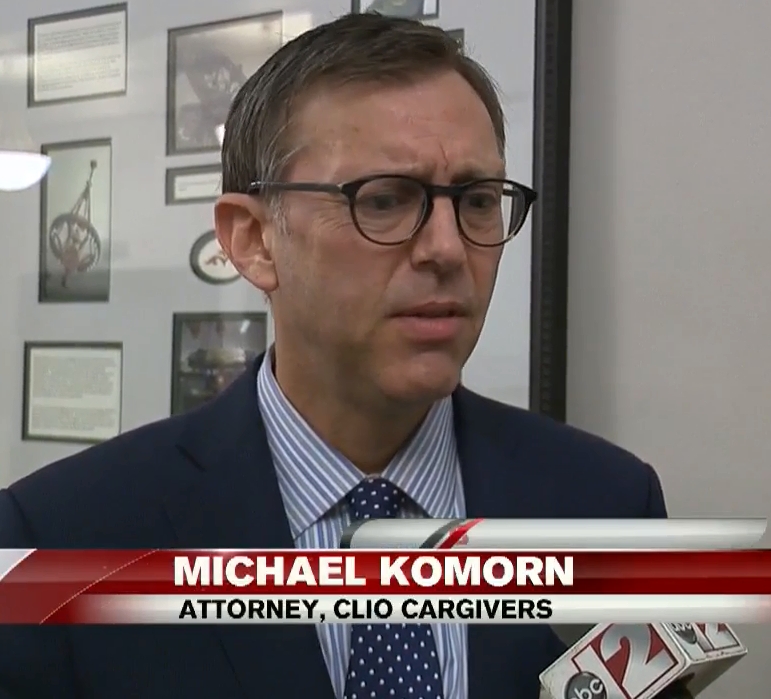
Komorn Law has represented numerous clients through the legal chaos of starting up a business in the Michigan Medical Marihuana Industry.
Contact Us For More Information.
800-656-3557
Jun 25, 2018 | Michigan Medical Marhuana Regulation, News
Statement by FDA Commissioner Scott Gottlieb, M.D., on the importance of conducting proper research to prove safe and effective medical uses for the active chemicals in marijuana and its components.
Over the past decade, we’ve seen a growing interest in the development of therapies derived from marijuana and its components. Proponents of “medical marijuana” advertised its uses for a wide number of medical conditions, such as cancer, multiple sclerosis, post-traumatic stress disorder and anxiety – just to name a few of the touted conditions. The FDA has been supportive of research in this area for many years. But marijuana is a Schedule I compound with known risks. Research to demonstrate that marijuana or its components could be safe and effective in the treatment of medical disorders should be held to the same standard as other drug compounds. And certainly it should not be held to a lower standard, as some proponents would suggest. The FDA has an active program to assist drug developers who want to investigate marijuana or its components through properly controlled clinical trials, to demonstrate the potential for safe and effective uses.
Today, the FDA approved a purified form of the drug cannabidiol (CBD). This is one of more than 80 active chemicals in marijuana. The new product was approved to treat seizures associated with two rare, severe forms of epilepsy in patients two years of age and older.
This product approval demonstrates that advancing sound scientific research to investigate ingredients derived from marijuana can lead to important therapies. This new treatment provides new options for patients.
This is an important medical advance. But it’s also important to note that this is not an approval of marijuana or all of its components. This is the approval of one specific CBD medication for a specific use. And it was based on well-controlled clinical trials evaluating the use of this compound in the treatment of a specific condition. Moreover, this is a purified form of CBD. It’s being delivered to patients in a reliable dosage form and through a reproducible route of delivery to ensure that patients derive the anticipated benefits. This is how sound medical science is advanced.
So today, in addition to celebrating this scientific achievement and the medical advance that it represents for these patients and their families, we should also reflect on the path that made this possible. It’s a path that’s available to other product developers who want to bring forth marijuana-derived products through appropriate drug development programs.
That pathway includes a robust clinical development program, along with careful review through the FDA’s drug approval process. This is the most appropriate way to bring these treatments to patients. This process also includes a review of the purity of a new drug and manufacturing controls. Before a high-quality drug can be developed, evaluated, and eventually approved by the FDA; it’s critical that the necessary work is done to identify drugs of potential medical benefit and conduct rigorous scientific research through adequate and well-controlled clinical trials. This is true for all drugs, including ones derived from plant materials, like marijuana. And the FDA remains committed to collaborating with federal and state agencies, researchers and product developers on advancing this type of important and conscientious work.
This research process – from early development through preclinical and clinical research – gives us a comprehensive understanding of a new drug. That includes an understanding of whether the new product is safe and effective for treating a particular medical condition, what the proper dosage is and for what populations it is safe and effective, how the new compound could interact with other drugs, or whether the new drug has side effects or other safety concerns.
This work also helps product developers identify the appropriate dosage needed to achieve the desired therapeutic effect while minimizing toxicity and risk. Taken in totality, the scientific evidence generated by these studies forms the basis of the FDA’s evaluation of benefit versus risk. And it’s because of this careful, scientific and evidence-based evaluation by the FDA that health care providers can rely on having a quality product that delivers a consistent, uniform dose of an effective medication that is able to deliver a predictable treatment to patients. This is especially important when considering treatment for serious medical conditions that will be utilized in the clinical care of patients who may have any number of health vulnerabilities. The purified form of the drug CBD approved today by the FDA has been shown to meet these rigorous standards.
Research on the therapeutic effects of marijuana and its components involves a number of federal agencies in addition to the FDA, including the National Institute on Drug Abuse, part of the National Institutes of Health, and the Drug Enforcement Administration.
The FDA has taken several specific steps to support this research.
We meet regularly with researchers as they plan and carry out their trials. We have also formed a Botanicals Team that provides scientific expertise on botanical issues for researchers developing drugs derived from plants, such as marijuana. That team published guidance for industry on clinical studies involving botanical drugs, as well as quality controls for lot-to-lot consistency. In recent years, the agency also has recommended to the DEA the approval of several hundred Schedule I research protocol licenses for research on marijuana or its constituent compounds.
Additionally, the FDA also works with companies to provide patients access to experimental therapies while clinical trials are ongoing through expanded access provisions. These approaches help protect patients while also allowing for the collection of data necessary to support the FDA approval of safe and effective therapies for use in the broader population. Through this process, hundreds of children were able to get access to investigational CBD products while this product was being studied.
Drugs derived from marijuana also are eligible for several programs that are intended to facilitate and expedite development and review of new drugs that address unmet medical needs in the treatment of serious or life-threatening conditions. Much of the work we’ve done to encourage research in this area has led to the approval action we took today.
The FDA will continue to support rigorous scientific research on potential medical treatments using marijuana and its components that seek to be developed through the appropriate scientific channels. However, we remain concerned about the proliferation and illegal marketing of unapproved CBD-containing products with unproven medical claims.
The promotion and use of these unapproved products may keep some patients from accessing appropriate, recognized therapies to treat serious and even fatal diseases. The FDA has taken recent actions against companies distributing unapproved CBD products. These products have been marketed in a variety of formulations, such as oil drops, capsules, syrups, teas, and topical lotions and creams. These companies have claimed that various CBD products could be used to treat or cure serious diseases such as cancer with no scientific evidence to support such claims. We’ll continue to take action when we see the illegal marketing of CBD-containing products with unproven medical claims. We’re especially concerned when these products are marketed for serious or life threatening diseases, where the illegal promotion of an unproven compound could discourage a patient from seeking other therapies that have proven benefits.
Today’s approval demonstrates our commitment to the scientific process and working with product developers to bring marijuana-based products to market. We remain committed to our gold standard for product development and review. Such a process ensures that any new therapies from marijuana and its constituents are safe, effective and manufactured to a high and consistent quality. And most importantly, that these products have been proven safe and effective for patients.
The FDA, an agency within the U.S. Department of Health and Human Services, protects the public health by assuring the safety, effectiveness, and security of human and veterinary drugs, vaccines and other biological products for human use, and medical devices. The agency also is responsible for the safety and security of our nation’s food supply, cosmetics, dietary supplements, products that give off electronic radiation, and for regulating tobacco products.
Oct 24, 2017 | Blog, Michigan Medical Marhuana Regulation, Michigan Medical Marijuana Act
FREQUENTLY ASKED QUESTIONS
When can I apply for my license?
After December 15, 2017.
What does the Medical Marihuana Licensing Board (“the board”) do?
The Medical Marihuana Licensing Board is comprised of 5 members, appointed by the Governor (with input from the Senate Majority Leader and the Speaker of the House), to administer the Medical Marihuana Facilities Licensing Act. This includes reviewing applications, issuing licenses, revoking/suspending licenses, renewing licenses, and investigating individuals who are applying for licensure or complaints received about someone who holds a license.
What are the different licenses I can apply for?
You may apply for the following licenses:
Grower
Processor
Transporter
Provisioning Center
Safety Compliance Facility
What costs are associated with a license?
Payment to secure transporters for transferring marihuana, as needed;
Annual, nonrefundable fee (of up to $5,000) to be set by, and paid to, your local municipality.
These fees are used to offset administrative and enforcement costs associated with the operation of a marihuana facility in the municipality;
An application fee per category and class of license;
Investigation and processing fees not covered by the application fee;
An annual regulatory assessment fee;
A renewal fee;
Late fees if renewal fee is not paid on time;
Provisioning centers will pay 3% on gross retail receipts
Does my municipality have any involvement with my license?
Yes, a municipality (city, township or village) has the following involvement:
Must pass an ordinance which authorizes the type of facility you wish to open;
May limit the number of each type of facility within the municipality’s boundaries;
Any other ordinances relating to marihuana facilities;
May adopt zoning regulations relating to facilities within its jurisdiction;
The municipality must receive notice from you that you have applied for any one of the five licenses;
May establish an annual fee to be paid by you; the fee can be as much as $5,000.00;
Must approve your request to have your license transferred, sold or purchased.
Does my criminal history prevent me from obtaining a license?
It depends on whether the following are true:
The applicant is ineligible if he or she has been convicted of or released from incarceration for a felony under the laws of this state, any other state, or the United States (federal law) within the past 10 years or has been convicted of a controlled substance-related felony within the past 10 years.
The applicant is ineligible if he or she has been convicted of a misdemeanor involving a controlled substance, theft, dishonesty, or fraud in any state within the past 5 years.
The applicant is ineligible if he or she has been found responsible for violating a local ordinance in any state involving a controlled substance, dishonesty, theft, or fraud that substantially corresponds to a misdemeanor in that state within the past 5 years.
The Board may take into consideration the following:
Whether the applicant has been indicted for, charged with, arrested for, or convicted of, pled guilty or nolo contendere to, forfeited bail concerning, or had expunged any relevant criminal offense under the laws of any jurisdiction, either felony or misdemeanor, not including traffic violations, regardless of whether the offense has been expunged, pardoned, or reversed on appeal or otherwise.
What prohibits a person from obtaining a license?
An applicant cannot obtain a license if any of the following is true:
The applicant is ineligible if he or she has knowingly submitted an application for a license under this act that contains false information.
The applicant cannot be a member of the Medical Marihuana Licensing Board.
The applicant is ineligible if he or she fails to demonstrate the ability to maintain
adequate premises liability and casualty insurance for its proposed marihuana facility (an insurance policy that covers at a minimum of $100,000).
The applicant cannot hold an elective office of a governmental unit of this state, another state, or the federal government; is a member of or employed by a regulatory body of a governmental unit in this state, another state, or the federal government; or is employed by a governmental unit of this state. This subdivision does not apply to an elected officer of or employee of a federally recognized Indian tribe or to an elected precinct delegate.
The applicant, if an individual, is ineligible if he or she has been a resident of this state for less than a continuous 2-year period immediately preceding the date of filing the application. This requirement does not apply after June 30, 2018.
The applicant is ineligible if the Board determines he or she failed comply with section 205(1).
The applicant fails to meet other criteria established by rule.
The applicant is ineligible if he or she has been convicted of or released from
incarceration for a felony under the laws of this state, any other state, or the United States (federal law) within the past 10 years or has been convicted of a controlled substance-related felony within the past 10 years.
The applicant is ineligible if he or she has been convicted of a misdemeanor involving a controlled substance, theft, dishonesty, or fraud in any state within the past 5 years.
The applicant is ineligible if he or she has been found responsible for violating a local ordinance in any state involving a controlled substance, dishonesty, theft, or fraud that substantially corresponds to a misdemeanor in that state within the past 5 years.
What other things may potentially prevent an applicant from getting approved for a license?
The Board may take into consideration the following:
The integrity, moral character, and reputation; personal and business probity; financial ability and experience; and responsibility or means to operate or maintain a marihuana facility of the applicant and of any other person that either:
Controls, directly or indirectly, the applicant.
Is controlled, directly or indirectly, by the applicant or by a person who controls, directly or indirectly, the applicant.
The financial ability of the applicant to purchase and maintain adequate liability and casualty insurance.
The sources and total amount of the applicant’s capitalization to operate and maintain the proposed marihuana facility.
Whether the applicant has filed, or had filed against it, a proceeding for bankruptcy within the past 7 years.
Whether the applicant has been served with a complaint or other notice filed with any public body regarding payment of any tax required under federal, state, or local law that has been delinquent for 1 or more years.
Whether the applicant has a history of noncompliance with any regulatory requirements in this state or any other jurisdiction.
Whether at the time of application the applicant is a defendant in litigation involving its business practices.
Whether the applicant meets other standards in rules applicable to the license category.
Whether the applicant has been indicted for, charged with, arrested for, or convicted of, pled guilty or nolo contendere to, forfeited bail concerning, or had expunged any relevant criminal offense under the laws of any jurisdiction, either felony or misdemeanor, not including traffic violations, regardless of whether the offense has been expunged, pardoned, or reversed on appeal or otherwise.
Where can I find more information on each type of license?
Details on each license category can be found in Part 5 of the Michigan Medical Marihuana Facilities Licensing Act, 2016 PA 281.
See- http://legislature.mi.gov/doc.aspx?mcl-281-2016-PART-5-LICENSEES
https://komornlaw.com/wp-content/uploads/2017/03/LARA-Marihuana-Act-HB4209-HB4827-HB4210-Frequently-Asked-Questions.pdf
For more information visit these sites
More Info Regarding House Bills
Marihuana Act Business Development
MMMP.org
Komorn Law
Michigan Medical Marihuana