
The ruling means that prosecutors can continue to use this law as a vital tool in holding individuals accountable for making threats of terrorism, provided they can demonstrate the defendant acted recklessly in communicating the threat. The statute does not require...

Understanding Superintending Control in Michigan Courts
Sometimes, a higher court needs to step in to ensure a lower court is properly administering justice.
In Michigan, our court system is designed as a “One Court of Justice,” meaning that while there are different levels of courts, they work together as an integrated unit.
Why Would a Higher Court “Superintend” a Lower Court?
Superintending control is an extraordinary power, not just a way to appeal a decision you don’t like.
Reasons a higher court might exercise superintending control include:
-
Failure to perform a clear legal duty: The lower court is not doing something that the law or court rules clearly require it to do.
-
Abuse of discretion or exceeding jurisdiction: The lower court acts beyond its authority or makes decisions that are so wrong they indicate a fundamental problem with how it’s operating.
-
Addressing general practices: Instead of correcting a single error in one case, superintending control can be used to fix widespread issues or policies within a lower court that are causing systemic problems.
Michigan Court Rules (MCR) and Laws (MCL)
The authority for superintending control comes from both the Michigan Constitution and state laws.- Michigan Constitution, Article VI, Section 4: Grants the Supreme Court general superintending control over all courts.
- MCL 600.219: States that the Michigan Supreme Court has general superintending control over all inferior courts and can issue any necessary writs or directives to ensure proper administration of justice.
- MCL 600.615: Grants the Circuit Court general superintending control over all inferior courts and tribunals, subject to Supreme Court rules.
The specific procedures for seeking superintending control are found in the Michigan Court Rules (MCR):
-
MCR 3.302: This is the primary rule governing superintending control actions. It emphasizes that this action can only be taken if no other adequate remedy (like a standard appeal) is available.
-
MCR 7.304(A): Allows a complaint for superintending control to be filed directly in the Supreme Court in situations where a regular appeal cannot be filed.
-
MCR 7.203(C)(1): Gives the Michigan Court of Appeals the power of superintending control over courts immediately below it, especially if the lower court’s action would eventually lead to an appealable order in the Court of Appeals.
Procedures an Attorney Would Take
An attorney seeking superintending control would:
Determine if it’s the right remedy: First, the attorney must confirm that there is no other adequate legal remedy available, such as a direct appeal. Superintending control is a last resort for systemic issues or clear legal duty failures.
File a Complaint for Superintending Control: This is an original civil action, meaning it starts a new case in the higher court, unlike an appeal which continues an existing case.
Prepare a brief: A detailed brief supporting the complaint must be filed, explaining the legal duty the lower court failed to perform, why other remedies are inadequate, and the specific relief sought.
Pay a filing fee or seek a waiver: As with most court actions, a fee is required unless the attorney requests and qualifies for a fee waiver.
Case Examples
Here are three Michigan cases where superintending control was used:
People v Curtis, 389 Mich 698 (1973): In this case, a circuit court issued an order of superintending control to a district court concerning the district court’s authority regarding certain criminal proceedings. This highlights how higher courts ensure lower courts act within their proper jurisdiction.
Cahill v Fifteenth District Judge, 393 Mich 137 (1974): The Michigan Supreme Court found superintending control appropriate to address general practices of a district court regarding how it handled bond posting and the availability of jury trials.
Grievance Adm v Atty Discipline Bd, 447 Mich 411 (1994): The Michigan Supreme Court used its superintending control power over the Attorney Discipline Board. This demonstrates the Supreme Court’s broad authority to oversee various tribunals to ensure they are performing their duties correctly.
5 FAQs about Elder or Vulnerable Adult Financial Exploitation
Q: Is superintending control the same as an appeal?
A: No, superintending control is different from an appeal. An appeal reviews a specific decision for legal error, while superintending control is an original action used to compel a lower court to perform a clear legal duty or to correct systemic issues when no other adequate remedy exists.
Q: Can any higher court exercise superintending control over any lower court?
A: The Michigan Supreme Court has general superintending control over all lower courts and tribunals.
Q: What is the main goal of superintending control?
A: The main goal is to ensure the proper administration of justice and that lower courts and tribunals adhere to their clear legal duties and operate within their jurisdiction.
Q: Who can file a complaint for superintending control?
A: Generally, a complaint for superintending control is filed by a party who is directly affected by a lower court’s failure to perform a clear legal duty and who does not have another adequate legal way to fix the problem. This could be a person involved in a case, or an organization if the issue affects their members. It’s an action taken to ensure the correct functioning of the judicial system.
Q: Is filing a complaint for superintending control a common legal action?
A: No, superintending control is considered an “extraordinary remedy.” This means it’s not used often, usually only in special situations where a lower court has seriously failed in its legal duties and a standard appeal won’t solve the problem. Courts prefer that parties use regular appeals when possible, so superintending control is reserved for more serious, systemic issues or clear violations of legal duty.
Komorn Law
Komorn Law, established in 1993, has the experience and expertise to fight your case in a court of law, from the district to federal court systems.
Our dedicated team understands the complexities of Michigan’s legal landscape, including the intricacies of court procedures and the strategic application of legal remedies like superintending control.
We are committed to meticulously preparing every case, advocating fiercely for our clients’ rights, and pursuing every avenue to achieve a favorable outcome.
When you’re ready to hire a lawyer who hates to lose, call our office at (248) 357-2550call Komorn Law at (248) 357-2550.
Sources
Michigan Compiled Laws (MCL) 600.219 Michigan Compiled Laws (MCL) 600.615 Michigan Court Rules, Chapter 7 (Appellate Rules) Komorn Law Komorn Law Phone Number: (248) 357-2550
More Posts

Elder and Vulnerable Adult Financial Exploitation in Michigan
FAQs and Laws about Elder and Vulnerable Adult Financial ExploitationFinancial exploitation of elders and vulnerable adults is a growing and particularly insidious crime in Michigan, preying on individuals who, due to age, disability, or mental incapacity, are unable...

Sextortion and Sexploitation in Michigan
FAQs and Laws about Sextortion and SexploitationSextortion and sexploitation are increasingly prevalent and devastating forms of digital abuse, leveraging technology to coerce, manipulate, and exploit individuals, often for sexual gratification or financial gain....
Michigan House Bill NO. 4391
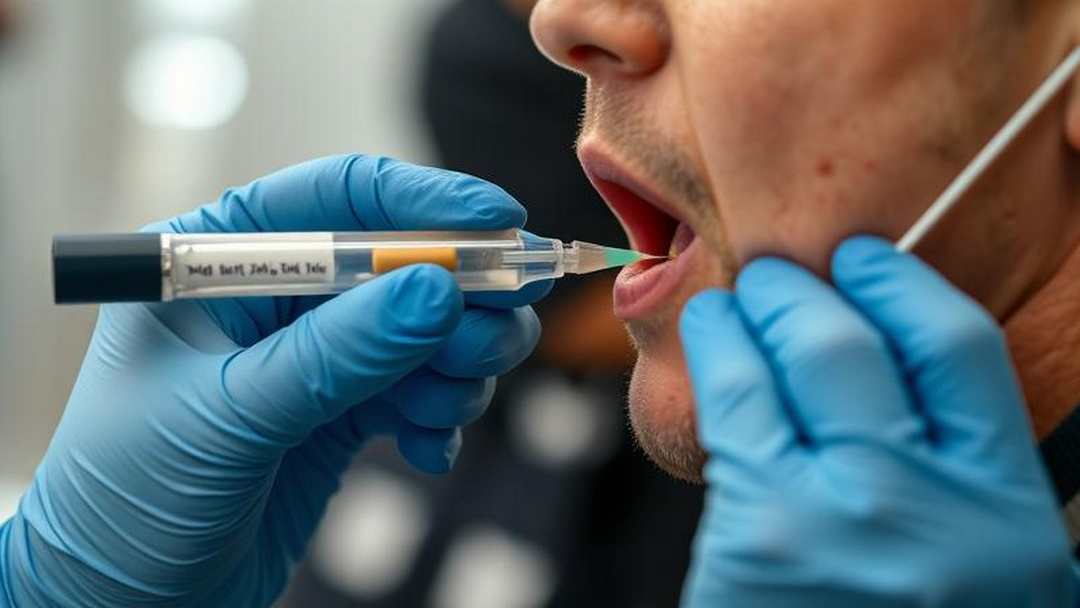
It may just be easier to collect and analyze tears.This legislation seeks to integrate saliva testing for cannabis within law enforcement procedures, designating a refusal to participate in this testing as a criminal offense, similar to the penalties imposed for...

How Much Does It Cost To Hire a Criminal Defense Attorney?
Don't do the crime - if you can't pay the price.Average Flat Fees. Some criminal defense attorneys charge a flat fee for certain types of cases, instead of billing by the hour. This may or may not include filing fees, motions, fees, etc. Flat fees include: DUI/DWI –...
What is a Franks Hearing?
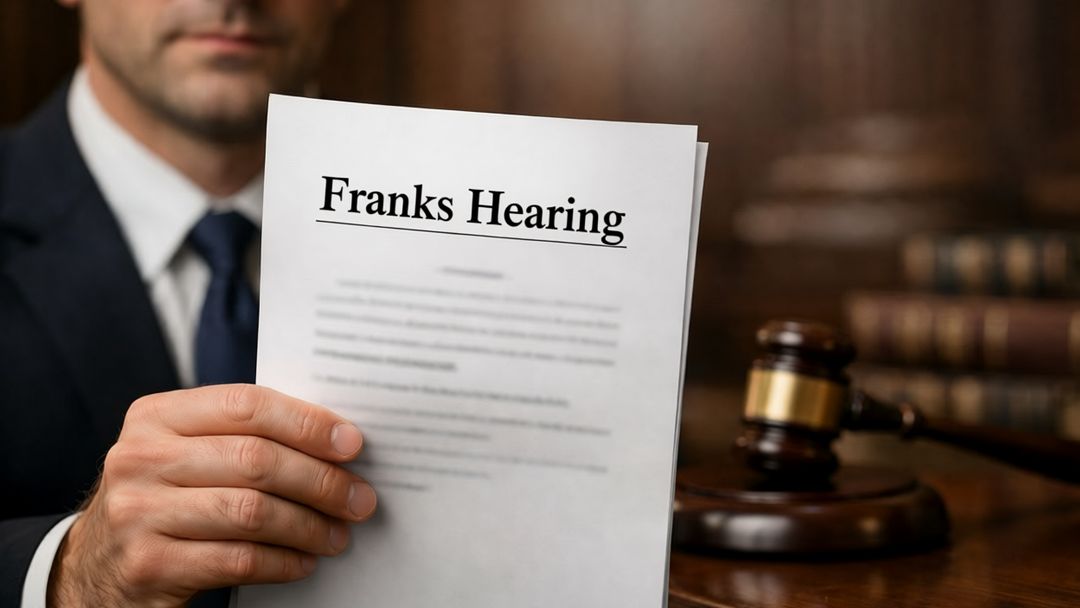
What is a Frank's Hearing?A Franks hearing is a critical legal tool used when a defendant claims that police lied, exaggerated, or recklessly disregarded the truth in a search warrant affidavit. When law enforcement places its hand on the Constitution, the law...
Komorn Law
Arrested? – Better Call Komorn
Komorn Law
Areas of Service
We fight for our clients throughout the State of Michigan and Northern Ohio.
Here are some court contacts we frequently handle cases.
Oakland County
If you are facing any legal charges in Oakland County and need to hire an attorney, call our Office (248) 357-2550. If you need to contact the court, here is the information:
- Telephone Number: (248) 858-0344
- Address: 1200 N Telegraph Rd, Department 404, Pontiac, MI 48341-0404
- Website:
Oakland County 6th Judicial Circuit Court
Macomb County
If you are facing any legal charges in Macomb County and need to hire an attorney, call our Office (248) 357-2550. If you need to contact the court, here is the information:
- Telephone Number: (586) 469-5150
- Address: 40 N. Main Street, Mt. Clemens, MI 48043
- Website:
Macomb County 16th Judicial Circuit Court
Wayne County
If you are facing any legal charges in Wayne County and need to hire an attorney, call our Office (248) 357-2550. If you need to contact the court, here is the information for the Third Circuit Court (Wayne County):
- Telephone Number (Civil/Family): (313) 224-5510
- Telephone Number (Criminal): (313) 224-5261 or (313) 224-2503
- Address (Civil/Family): 2 Woodward Avenue, Detroit, MI 48226
- Address (Criminal): 1441 St. Antoine, Detroit, MI 48226
- Website:
https://www.3rdcc.org/
Kent County
If you are facing any legal charges in Kent County and need to hire an attorney, call our Office (248) 357-2550. If you need to contact the court, here is the information:
- Telephone Number: (616) 632-5220
- Address: 180 Ottawa Avenue NW, Grand Rapids, MI 49503
- Website:
Kent County
Traverse County
If you are facing any legal charges in Traverse County and need to hire an attorney, call our Office (248) 357-2550. If you need to contact the court, here is the information for the 13th Circuit Court (which includes Traverse County):
- Telephone Number: (231) 922-4701
- Address: 328 Washington Street, Suite 300, Traverse City, MI 49684
- Website: Traverse City 13h Circuit Court
Monroe County
If you are facing any legal charges in Monroe County and need to hire an attorney, call our Office (248) 357-2550. If you need to contact the court, here is the information:
- Telephone Number: (734) 240-7020
- Address: 106 E First Street, Monroe, MI 48161
- Website: Monroe County 38th Circuit Court