Your Voice, Your Rights: Understanding the First Amendment in Michigan

Your Voice, Your Rights: Understanding the First Amendment in Michigan

Freedom of Speech - The First Amendment

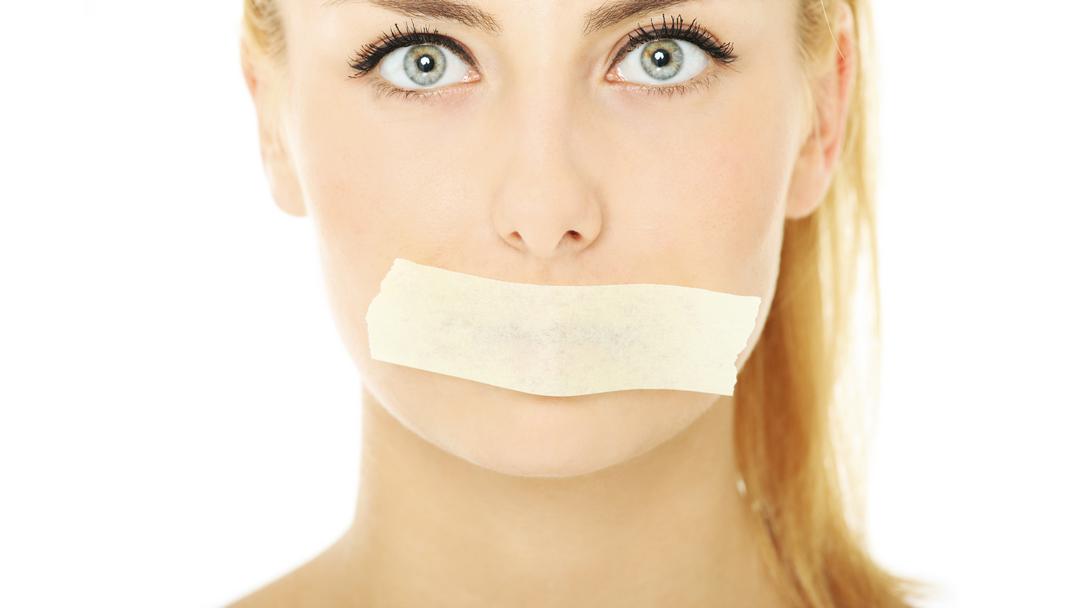
This right is not really absolute

In a world filled with diverse opinions and constant communication, knowing your fundamental rights is more important than ever.

In Michigan, residents are protected by robust free speech rights, ensuring they can express themselves, practice their beliefs, gather peacefully, and seek information without undue government interference.

This article will break down what these rights mean for you in Michigan and provide key information to help you understand your protections.

The First Amendment to the United States Constitution is a cornerstone of American liberty, ratified in 1791 as part of the Bill of Rights. It prohibits the government from making laws that establish a religion, interfere with the free exercise of religion, abridge the freedom of speech, infringe upon the freedom of the press, or obstruct the right to peaceably assemble and petition the government for a redress of grievances. While a federal protection, its principles are also deeply embedded in Michigan's own Constitution, offering further safeguards for its citizens.

Here are some key facts about your First Amendment rights in Michigan:


Freedom of Speech:

  • What it means: You have the right to express your thoughts, opinions, and beliefs through spoken words, written words, and symbolic actions without government censorship or punishment. This applies to a wide range of topics, including political views, social commentary, and artistic expression.
  • Michigan Law: Article I, Section 5 of the Michigan Constitution states: "Every person may freely speak, write, express and publish his views on all subjects, being responsible for the abuse of such right; and no law shall be enacted to restrain or abridge the liberty of speech or of the press."
  • Michigan Constitution: Michigan Legislature - Constitution of Michigan of 1963, Article I, Section 5
  • Limitations: This right is not absolute. It does not protect speech that incites violence, defamation (false statements that harm a person's reputation), true threats, obscenity, or speech that directly incites imminent lawless action.

Freedom of the Press:

  • What it means: The media (newspapers, TV, online platforms, independent journalists) has the right to gather and report news and information without government interference. This is crucial for holding those in power accountable.

  • Michigan Law: This freedom is also protected under Article I, Section 5 of the Michigan Constitution, alongside freedom of speech.

  • Source: Michigan Legislature - Constitution of Michigan of 1963, Article I, Section 5

  • Related Law - Freedom of Information Act (FOIA): Michigan's FOIA (MCL 15.231 et seq.) gives citizens the right to access public records from government bodies, promoting transparency and aiding the press in its watchdog role.

  • Source: Michigan Legislature - FOIA (Act 442 of 1976)

Freedom of Assembly:

  • What it means: You have the right to gather peacefully with others to express your views, protest, or discuss issues. This includes peaceful demonstrations, rallies, and public meetings.

  • Michigan Law: Article I, Section 3 of the Michigan Constitution states: "The people have the right peaceably to assemble, to consult for the common good, to instruct their representatives and to petition the government for redress of grievances."

  • Source: Michigan Legislature - Constitution of Michigan of 1963, Article I, Section 3

Local Regulations

  • Detroit Example: While the right to assembly is protected, local governments (like the City of Detroit, which is in Wayne County) can impose reasonable "time, place, and manner" restrictions to ensure public safety and order. For example, permits might be required for large gatherings, or certain areas might be designated for protests to avoid obstructing traffic.

  • Source: Detroit Police Department - First Amendment Activities Policy (See Section 302.6)

Freedom to Petition the Government:

  • What it means: You have the right to ask the government to address your concerns or change laws. This can be done through letters, petitions, or by directly communicating with elected officials.

  • Michigan Law: This is also enshrined in Article I, Section 3 of the Michigan Constitution, alongside freedom of assembly.

  • Source: Michigan Legislature - Constitution of Michigan of 1963, Article I, Section 3

Facing State or Federal Charges?

When your constitutional rights are on the line, especially your First Amendment freedoms, you need a legal team that understands the nuances of the law and is ready to fight for you. Komorn Law, established in 1993, has the experience and expertise to navigate complex First Amendment cases in courts ranging from district to federal systems. Their dedication to protecting individual liberties is unwavering. So, when you're ready to hire a lawyer who hates to lose, call our office at (248) 357-2550.

FAQs

Freedom of Speech in Michigan

Q: Can my First Amendment rights be restricted in Michigan?

A: Yes, your First Amendment rights are not absolute. They can be restricted in certain circumstances, such as if your speech incites violence, constitutes a true threat, defames someone, or if public safety is at risk during an assembly. Restrictions must generally be "content-neutral" and apply equally to everyone.

Q: Does my First Amendment right to free speech apply to private companies or social media platforms?

A: Generally, no. The First Amendment protects you from government censorship. Private companies, including social media platforms, are not bound by the First Amendment and can set their own rules for content on their platforms.

Q: What should I do if I believe my First Amendment rights have been violated in Michigan?

A: If you believe your First Amendment rights have been violated by a government entity or official, it is crucial to seek legal advice. An attorney specializing in civil rights can assess your situation and help you understand your options, which may include filing a lawsuit.

Komorn Law, established in 1993, has the experience and expertise to fight your case in a court of law. So when you're ready to hire a lawyer who steps in the ring to fight, call our office at (248) 357-2550.
Komorn Law

Resisted Arrest? - Better Call Komorn
Disciplining Student’s Speech Violates First Amendment

Disciplining Student’s Speech Violates First Amendment

You go girl!!!

A public high school was found to have violated the First Amendment when it suspended a student from her cheerleading team for using profane speech off campus.

Mahanoy Area Sch Dist v BL, No 20-255, ___ US ___ (June 23, 2021).

The U.S. Supreme Court has determined that Pennsylvania high school officials did not possess the jurisdiction to reprimand a student for her off-campus, profane Snapchat post, which was made out of frustration after not being selected for the varsity cheerleading squad.

The court ruled 8-1 that the social media post did not cause a substantial disruption under Tinker v. Des Moines Independent Community School District

A female student at Mahanoy Area High School in Pennsylvania, who did not make the school’s varsity cheerleading team but was instead placed on the junior varsity team, expressed her frustration by posting two images on Snapchat while at a local store during the weekend.

One image included explicit language and gestures alongside general comments about cheerleading and school, although it did not specify the school by name.

The second image only contained the following text: “Love how me and [another student] get told we need a year of jv before we make varsity but tha[t] doesn’t matter to anyone else?”

The cheerleading coach and school administrators were made aware of B.L.’s posts and subsequently decided to suspend her from the team for a duration of one year.

Through her parents, Levy sued in federal court, asserting that the disciplinary action violated her First Amendment right to free speech. Additionally, they contended that it was the responsibility of her parents, not school officials, to administer discipline.

A federal district court and the U.S. Court of Appeals for the 3rd Circuit both ruled in favor of Levy, stating that the Tinker substantial disruption standard does not apply to off-campus, online student speech.

Alternatively, the 3rd Circuit also determined that, even if Tinker was deemed applicable, the post did not reach the threshold of causing substantial disruption.

The school district wasted tax dollars and appealed the Supreme Court decision.

Justice Stephen Breyer Reasoning that a school’s regulatory interests are diminished when a student partakes in off-campus social media speech, it was identified that three distinct features of social media speech govern such an approach.

  • With regard to off-campus speech by students, school officials rarely stand in loco parentis. “Geographically speaking, off-campus speech will normally fall within the zone of parental, rather than school-related, responsibility.”
  • Courts should be skeptical of school officials’ regulatory interest in policing student social media speech, given that such speech could take place anytime during a 24-hour day.
  • Schools have an interest in protecting even unpopular student speech, because “America’s public schools are the nurseries of democracy.”

He emphasized the importance of officials maintaining regulatory oversight over social media speech involving cyberbullying, harassment, threats, or breaches of school security devices.

Justice Alito’s concurring opinion advises public schools to exercise thoughtful caution when seeking to regulate off-campus speech.

More Posts

 What Are Your First Amendment Rights For Now

 What Are Your First Amendment Rights For Now

The Constitution of the United States is the supreme law of the United States of America for now. It superseded the Articles of Confederation, the nation’s first constitution, in 1789. Originally comprising seven articles, it delineates the national frame and constraints of government.

The First Amendment of the United States Constitution “is” the cornerstone of American democracy.

It’s a powerful shield protecting our fundamental right to express ourselves freely and engage in open discourse. But understanding the intricacies of these rights and how they apply in the modern world can be tricky.

So, let’s dive into your First Amendment toolbox, equipping you with the knowledge to navigate the landscape of free speech.

Freedom of Speech:

This is the big one, the right to express your thoughts and opinions without fear of government censorship. Whether you’re a fiery political commentator or a budding poet, your voice matters. This right extends to various forms of expression, from written and spoken words to artistic creations and even symbolic acts.

Remember, however, that this freedom isn’t absolute. Speech that incites imminent lawless action (“fire in a crowded theater”), or is demonstrably false and harmful (“yelling fire in a non-burning building”) can be restricted so can other speech depending on the powers at be.

Freedom of Religion:

The First Amendment guarantees both freedom of religion and freedom from religion.

This means you have the right to practice any faith (or no faith at all) without government interference. You can build houses of worship, engage in religious ceremonies, and share your beliefs openly.

However, this freedom doesn’t extend to actions that violate other laws or infringe upon the rights of others.

Komorn Law is one of Michigan’s top 10 legal defense firms
If you a looking to hire a law firm to fight for your rights tap to call us
(248) 357-2550

Freedom of the Press and Assembly:

The press acts as a “vital” watchdog for our “democracy”, and the First Amendment protects its right to gather and report the news freely. It also acts as a mouthpiece for whoever is buying.

This includes traditional media outlets like newspapers and television stations, as well as online platforms and independent journalists.

Similarly, the right to assembly allows you to gather peacefully to protest, petition the government, or simply express your collective opinion.

Freedom to Petition the Government:

This right lets you voice your concerns and demands directly to your “elected” representatives.

You can write letters, make phone calls, attend town hall meetings, or even stage peaceful protests to make your voice heard.

Remember, there’s a claim that the government is accountable to the people, and your voice plays a crucial role in shaping public policy if you yell loud enough.

Navigating the Digital Age:

The rise of the internet has blurred the lines between traditional and new media, raising new challenges for First Amendment interpretation.

Issues like online hate speech, “fake news,” and content moderation on social media platforms are constantly evolving.

It’s important to remember that the core principles of the First Amendment still apply online, but how they are interpreted and enforced in this new landscape remains an ongoing power struggle.

Understanding the Limits:

While powerful, your First Amendment rights are limited.

Certain types of speech, like obscenity, defamation, and true threats, can be restricted.

Additionally, the government has a legitimate interest in maintaining public order and safety, which can sometimes lead to limitations on free speech and assembly.

It’s crucial to understand these limitations and engage in responsible speech that doesn’t harm others or incite violence. If you don’t understand, an unscheduled confinement in the fortress of solitude may reassure your understanding of who is in charge of those rights.

More Posts

3‑D Printed Marijuana Breathalyzer Prototype

3‑D Printed Marijuana Breathalyzer Prototype

Key Takeaways 2021 NIJ research found that THC levels in blood, urine, or oral fluid do not correlate with impairment, and field sobriety tests fail to detect cannabis intoxication. 2023 VCU research (DOJ‑funded) began developing a colorimetric THC breathalyzer…

read more…
The United State Constitution

 What Are Your First Amendment Rights For Now

The Constitution of the United States is  the supreme law of the United States of America for now . It superseded the Articles of Confederation, the nation’s first constitution, in 1789. Originally comprising seven articles, it delineates the national frame and…

read more…