
What does Nolle Prosequi mean? Fatal Flaw In criminal cases, nolle prosequi may be employed when there is a...

House Bill 5107 – The MRTMA Shuffle
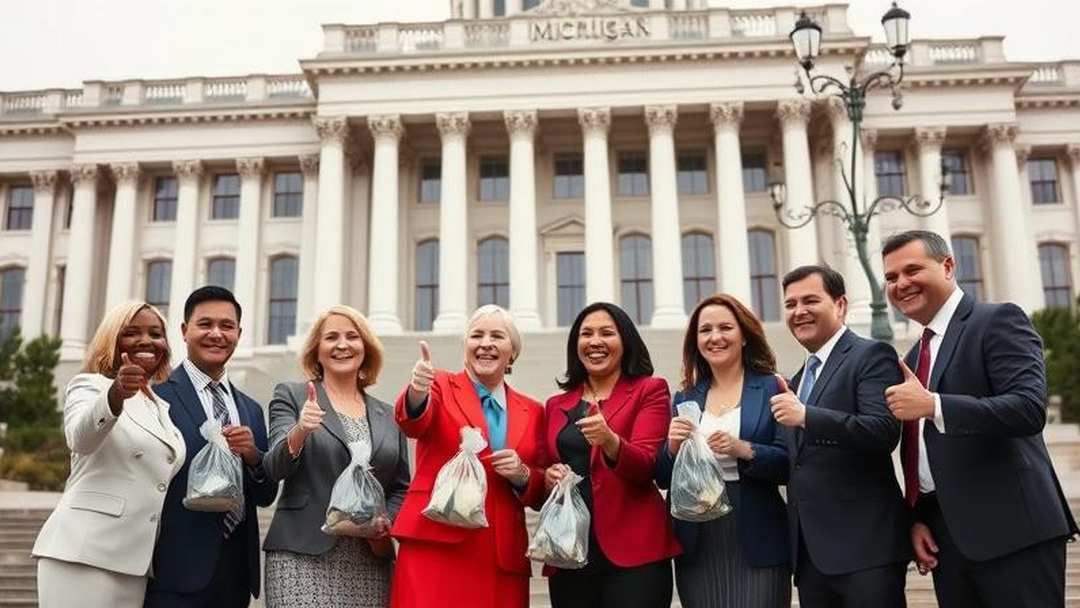
Michigan House Bill 5105 proposes new marijuana penalties and possession limits to combat illicit cannabis operations.
Michigan’s Cannabis Regulation Challenges
Since Michigan legalized recreational marijuana in 2018 under the Michigan Regulation and Taxation of Marihuana Act (MRTMA), the state has faced ongoing challenges with illegal grow operations and unlicensed distribution. The Cannabis Regulatory Agency (CRA) has struggled to enforce limits on personal possession and cultivation, especially when large-scale operations disguise themselves as personal use.
To address these concerns, lawmakers introduced House Bill 5107 on October 22, 2025, sponsored by Rep. Mike Hoadley and co-sponsored by several others. The bill aims to amend Sections 5 and 15 of MRTMA (MCL 333.27955 and MCL 333.27965) to redefine the allowable amounts of marijuana for personal use and possession
What HB 5107 Proposes
HB 5107 modifies the legal thresholds for marijuana possession and cultivation. The bill proposes reducing the number of plants and the amount of usable marijuana individuals can possess without triggering criminal penalties. It also clarifies the distinction between personal use and commercial-scale activity.
The bill is tie-barred to HB 5105, meaning both must be passed together. HB 5105 updates the penalties for marijuana-related offenses, while HB 5107 sets the legal possession limits. This ensures that enforcement is consistent and that penalties are applied fairly based on updated thresholds.
Don’t worry the bill is tie-barred to House Bill 5105
How HB 5105 and HB 5107 Work Together
- HB 5105 amends the Michigan Public Health Code (MCL 333.7401) to redefine criminal penalties for marijuana-related offenses. It introduces tiered penalties based on the amount of marijuana or concentrate possessed or manufactured.
- HB 5107 amends the Michigan Regulation and Taxation of Marihuana Act (MCL 333.27955 and MCL 333.27965) to modify the allowable amounts of marijuana for personal use and possession.
Because HB 5105 sets penalties and HB 5107 sets the legal possession limits, the two bills are interdependent. For example, if HB 5107 changes the legal threshold for personal possession, HB 5105 must reflect those changes in its penalty structure. The tie-bar ensures that enforcement and legal standards remain aligned.
Read the HB5105 article HERE (But finish this article first)
You can read the full bill texts here:
What Does “Tie-Barred” Mean?
In Michigan legislative terms, a tie-bar means that one bill is legally connected to another. If two bills are tie-barred, they must both be passed for either to take effect. This ensures that related legal changes are implemented together, maintaining consistency across statutes.
Key Details of HB 5107
-
Introduced: October 22, 2025
-
Sponsors: Rep. Mike Hoadley (R-99), Joseph Aragona, Ken Borton, Parker Fairbairn, Douglas Wozniak, Jerry Neyer
-
Committee: House Regulatory Reform
-
Purpose: Modify allowable marijuana possession and cultivation limits
-
Tie-Barred: Must be passed alongside HB 5105
Proposed Possession Limits
-
Usable Marijuana:
-
Reduced personal possession limits for flower and concentrate
-
Clarifies what constitutes “personal use” vs. trafficking
-
-
Cultivation:
-
Limits the number of plants individuals can grow at home
-
Sets thresholds that trigger misdemeanor or felony charges under HB 5105
-
You can read the full bill texts here:
View the relevant law at [MCL 333.7401]
Frequently Asked Questions (FAQs)
FAQs About HB 5107
Q1: What does “tie-barred” mean in HB 5107? A1: It means HB 5107 cannot become law unless HB 5105 is also passed. They are legally linked.
Q2: Does HB 5107 affect medical marijuana users? A2: HB 5107 targets recreational possession limits. Registered medical users following state guidelines are not directly affected.
Q3: Is HB 5107 currently law? A3: No. As of November 2025, HB 5107 is still under review by the House Regulatory Reform Committee.
Don’t forget about HB4951 you didn’t vote for
Legal Defense: Komorn Law PLLC
If you or someone you know is facing marijuana-related charges under from the cannabis enforcement teams or federal drug laws, Attorney Michael Komorn of Komorn Law PLLC offers aggressive and strategic defense. With decades of experience in cannabis law and federal litigation, Komorn Law understands the nuances of Michigan’s evolving marijuana regulations and how to challenge overreach or misapplication in court.
Komorn Law can:
- Challenge unlawful search and seizure
- Dispute quantity assessments and intent
- Navigate federal vs. state law conflicts
- Advocate for reduced or dismissed charges
More Articles

What does Nolle Prosequi mean?
read more

People v. Lukity, 460 Mich 484 (1999)
Case Summary The Michigan Supreme Court reversed the Court of Appeals and reinstated the defendant’s conviction for...
Motion in Limine vs Motion to Suppress
Defininition and Explaination - Motion in LimineOverview Although both a motion in limine and a motion to suppress...
A Motion in Limine – What does it Mean?
Defininition and Explaination - Motion in LimineA motion in limine is a pretrial request asking the judge to exclude...
More

Michigan Adult-Use Marijuana Laws Steady As She Goes
Michigan Adult-Use Marijuana Laws: Steady As She Goes Michigan's adult-use marijuana legislation, established in 2018 through the Michigan Regulation and Taxation of Marihuana Act (MRTMA), remains stable. While there haven't been any major changes to the core tenets...

Michigan Gov Vetoes Several Medical Cannabis Bills
Michigan Gov. Gretchen Whitmer, calling them rushed, recently vetoed 11 bills including three medical cannabis bills, with others related to retirement and tax. The governor did however sign into law six other bills approved by the Legislature. Two bills that were...
Michigan House Bill 5923 – To Amend the Medical Marihuana Facilities Licensing Act
HOUSE BILL NO. 5923 To amend the Medical Marihuana Facilities Licensing Act Read the Summary Analysis Here June 25, 2020, Introduced by Reps. Chirkun and Webber and referred to the Committee on Government Operations. A bill to amend 2016 PA 281, entitled "Medical...