
Criminal Sexual Conduct (CSC)
Criminal sexual conduct (CSC) in Michigan refers to a range of sexual offenses that vary in severity based on factors like the nature of the act, the age of the victim, and whether force or coercion was involved.
Michigan law categorizes CSC into four degrees:
First-degree CSC involves sexual penetration and occurs in cases such as those involving minors under 13, victims incapacitated or helpless, or acts involving force or coercion. It is the most serious and can result in life imprisonment.
Second-degree CSC involves sexual contact, rather than penetration, under similar circumstances as CSC I, carrying penalties of up to 15 years in prison.
Third-degree CSC involves sexual penetration through force, coercion, or with victims aged 13-16, punishable by up to 15 years in prison.
Fourth-degree CSC involves sexual contact through force, coercion, or with minors aged 13-16, and is a misdemeanor punishable by up to 2 years in prison.
But wait there’s more… There is more than just the threat of jail time that comes with these charges. There’s also different types and definitions such as CSC consent, false accusations, legal defense strategies and more. See links below.

Criminal Sexual Conduct Articles
No Results Found
The page you requested could not be found. Try refining your search, or use the navigation above to locate the post.
Note: This article provides a general overview and does not substitute for legal advice. Anyone charged with a CSC offense should consult an attorney for specific legal guidance.
Recent
Coalition Forms to Support Voter Approved MRTMA
New Coalition Forms To Support Voter Approved Cannabis ActMichigan’s adult‑use cannabis framework was not created by accident. It was built through a deliberate, voter‑driven process culminating in the Michigan Regulation and Taxation of Marihuana Act (MRTMA). The Act...

Michigan Court of Appeals Orders City of Taylor to Release Police Misconduct Records
Case Summary The Michigan Court of Appeals has ruled that the City of Taylor must comply with a Freedom of Information Act (FOIA) request submitted by the ACLU of Michigan seeking police misconduct records dating back to 2021. The request covers documents involving...

Michigan Supreme Court and Court of Appeals Cases – Home Invasion
Case Summary In People v Berry, the defendant co‑owned a home with his former partner. After moving out and negotiating a buyout, he re‑entered the home with another individual before the agreement was finalized. Both were charged with first‑degree home invasion. The...
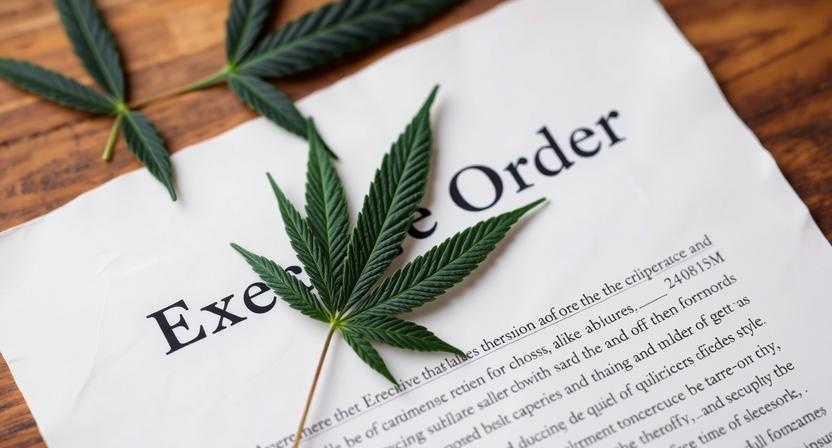
Cannabis Regulators Association-Briefing on Marijuana Schedule Change
Overview of the President’s December 18th Executive Order and the Implications When Marijuana is Rescheduled to Schedule III under the U.S. Controlled Substances ActTOP-LINE SUMMARY The President signed an Executive Order on December 18, 2025, ordering his...
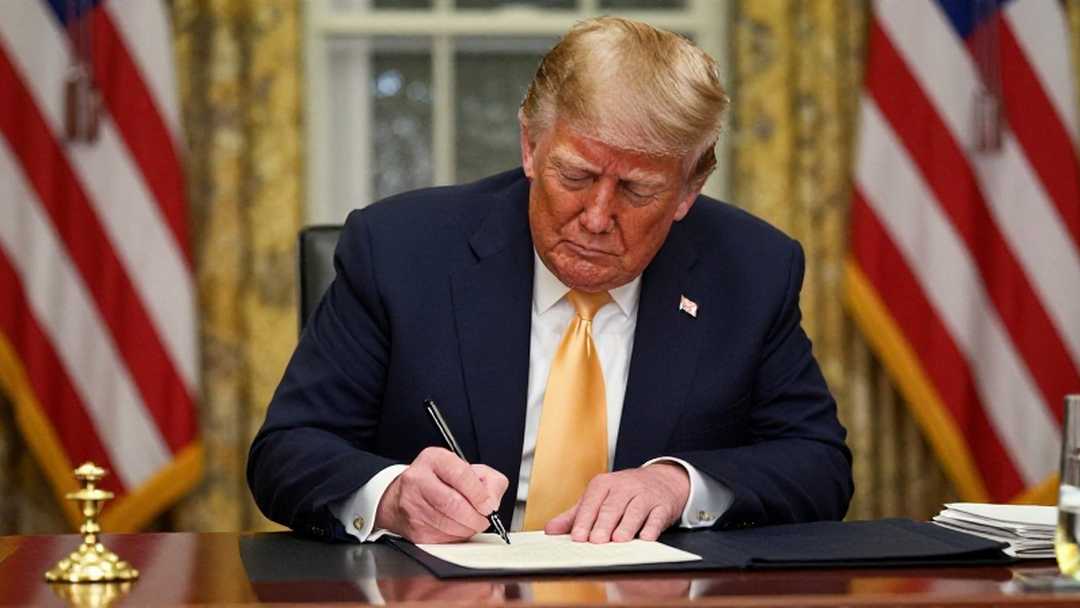
Trump’s Marijuana Reclassification 2025
Donald Trump’s Actions On December 18, 2025, President Donald Trump signed an executive order reclassifying marijuana from a Schedule I to a Schedule III controlled substance under the federal Controlled Substances Act (CSA). This marks the most significant federal...

Michigan Supreme Court and Court of Appeals Cases – Felon in Possession
Case Summary In People v Hughes, the defendant challenged Michigan’s felon‑in‑possession statute on Second Amendment grounds. He argued the law was unconstitutional both on its face and as applied to nonviolent offenders. The Court of Appeals rejected both...

Michigan Supreme Court and Court of Appeals Cases – Controlled Substances
Case Summary In People v Soto (COA) the defendant faced a felony charge after an 85‑pound shipment of marijuana was delivered to her home. She argued that the Michigan Regulation and Taxation of Marihuana Act (MRTMA) shielded her from felony prosecution because the...

Michigan Supreme Court and Court of Appeals Cases – Confessions
Case Summary Michigan courts issued several important decisions clarifying when confessions are admissible, how Miranda applies in nontraditional settings, and what constitutes a valid invocation of counsel. In Lafey, a spontaneous statement made during a pat‑down was...