

Criminal Sexual Conduct (CSC)
Criminal sexual conduct (CSC) in Michigan refers to a range of sexual offenses that vary in severity based on factors like the nature of the act, the age of the victim, and whether force or coercion was involved.
Michigan law categorizes CSC into four degrees:
First-degree CSC involves sexual penetration and occurs in cases such as those involving minors under 13, victims incapacitated or helpless, or acts involving force or coercion. It is the most serious and can result in life imprisonment.
Second-degree CSC involves sexual contact, rather than penetration, under similar circumstances as CSC I, carrying penalties of up to 15 years in prison.
Third-degree CSC involves sexual penetration through force, coercion, or with victims aged 13-16, punishable by up to 15 years in prison.
Fourth-degree CSC involves sexual contact through force, coercion, or with minors aged 13-16, and is a misdemeanor punishable by up to 2 years in prison.
But wait there’s more… There is more than just the threat of jail time that comes with these charges. There’s also different types and definitions such as CSC consent, false accusations, legal defense strategies and more. See links below.

Criminal Sexual Conduct Articles
No Results Found
The page you requested could not be found. Try refining your search, or use the navigation above to locate the post.
Note: This article provides a general overview and does not substitute for legal advice. Anyone charged with a CSC offense should consult an attorney for specific legal guidance.
Recent
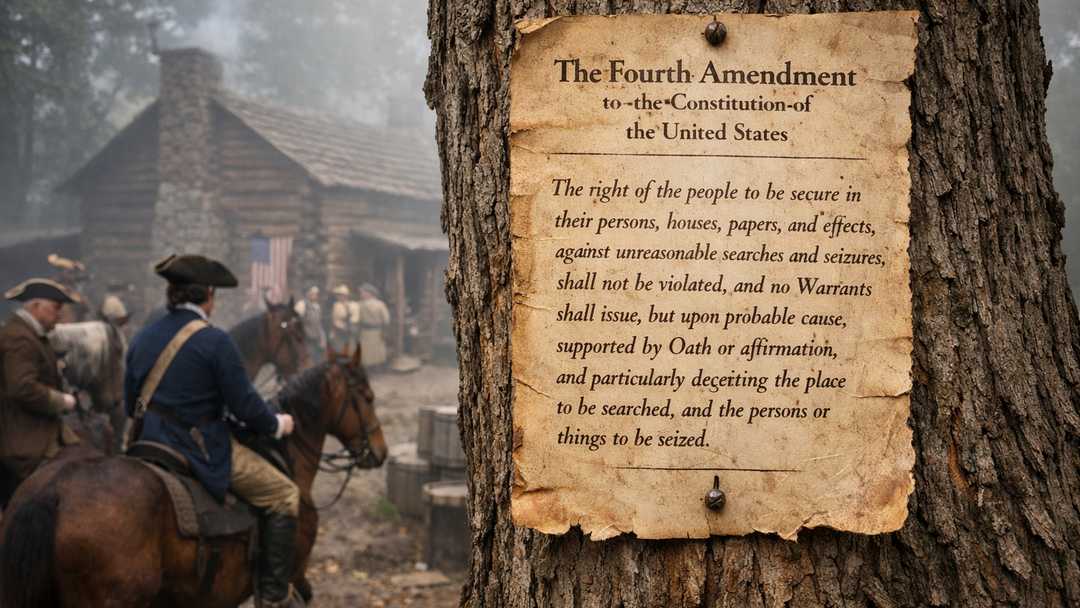
Fourth Amendment Search & Seizure — A Quick Summary
Fourth Amendment Search & Seizure — Quick Summary The Fourth Amendment protects individuals from unreasonable searches and seizures, limiting when and how the government may intrude on privacy. These protections apply only when police conduct qualifies as a search...

Marijuana Under Fire in Michigan
Marijuana in Michigan is facing renewed challenges as lawmakers push for higher taxes and regulatory changes that critics argue undermine the voter-approved legalization of 2018. Court battles, legislative maneuvers, and industry pushback highlight the tension between...

The New Federal Definition of Hemp
The New Federal Definition of Hemp: Legal and Regulatory ImplicationsCongress has enacted a sweeping revision to the federal definition of hemp through the Continuing Appropriations, Agriculture, Legislative Branch, Military Construction and Veterans Affairs, and...

Should courts allow prosecutors to refer to complainants as victims
Labeling before adjudication. Kedero Treasvant was convicted of multiple firearm-related offenses in Michigan, and his appeal raises a key issue about courtroom language—specifically, whether prosecutors can refer to complainants as “victims” before guilt is...

Improper Transport of a Firearm in Michigan
Improper Firearms Transport, Storage Laws and Penalties Michigan law makes improper gun transport a misdemeanor crime under MCL 750.227d. Firearms can be confiscated and sometimes not returned, but attorneys can file motions under Michigan Court Rules (MCR) to seek...

Supreme Court to Hear Case on Gun Rights and Marijuana Use
Supreme Court to Hear Case on Gun Rights and Marijuana Use The Supreme Court has agreed to hear U.S. v. Hemani, a case challenging the federal ban on gun ownership by individuals who use marijuana—even in states where it’s legal. The decision could reshape how drug...

House Bill 5107 – The MRTMA Shuffle
Michigan House Bill 5105 proposes new marijuana penalties and possession limits to combat illicit cannabis operations. Michigan’s Cannabis Regulation Challenges Since Michigan legalized recreational marijuana in 2018 under the Michigan Regulation and Taxation of...

House Bill 5105 – The MRTMA Shuffle
Michigan House Bill 5105 proposes new marijuana penalties and possession limits to combat illicit cannabis operations. Michigan’s Cannabis Laws Since Michigan legalized recreational marijuana in 2018, the state has worked to balance personal freedom with public...