
In case you did not know…
The Michigan Supreme Court has ruled that the smell of marijuana alone is no longer sufficient probable cause for police to conduct a warrantless search of a vehicle. This decision overturns a previous precedent where the odor of marijuana was considered enough justification for a search.
The Court reasoned that because the use and possession of marijuana is now legal for adults in Michigan under certain circumstances (following the Michigan Regulation and Taxation of Marihuana Act – MRTMA), the smell of marijuana no longer automatically indicates illegal activity. The odor could just as likely be associated with the legal possession or recent legal use of marijuana.
Therefore, the Court concluded that while the smell of marijuana can still be a factor in determining probable cause, it must be accompanied by other specific and articulable facts indicating illegal activity to justify a search.
This ruling stems from a case where a firearm was found in a vehicle after a search was conducted based solely on the smell of marijuana. The Supreme Court sided with the lower courts in suppressing the evidence, stating that the initial search was unlawful because the smell of marijuana alone did not provide probable cause in light of the state’s legalization of cannabis.
This decision is a significant shift in Michigan law and will likely impact how law enforcement conducts vehicle searches. It emphasizes the need for additional evidence beyond the smell of marijuana to establish probable cause for a search.
They can’t say because we smell weed we are going to search your car. Because the whole town may reek. Alas… there are a hundred other words to choose from to make the arrest.
They have to say something else now. If you’re sitting behind the wheel of a motorized vehicle all a police officer has to say is “I believe you’re impaired”. And operating a motor vehicle impaired is a crime.
So don’t think this is a win. Maybe a little one.
Read the ruling linked below.
Michigan Supreme Court Smell of marijuana no longer legal grounds for search

More Articles

Smell of marijuana no longer legal grounds for search
The Michigan Supreme Court has ruled that the smell of marijuana alone is no longer sufficient probable cause for...

Michigan Forfeiture News Articles
Can the police sieze your belongings and hold it without charging you with a crime?Civil asset forfeiture is a legal...
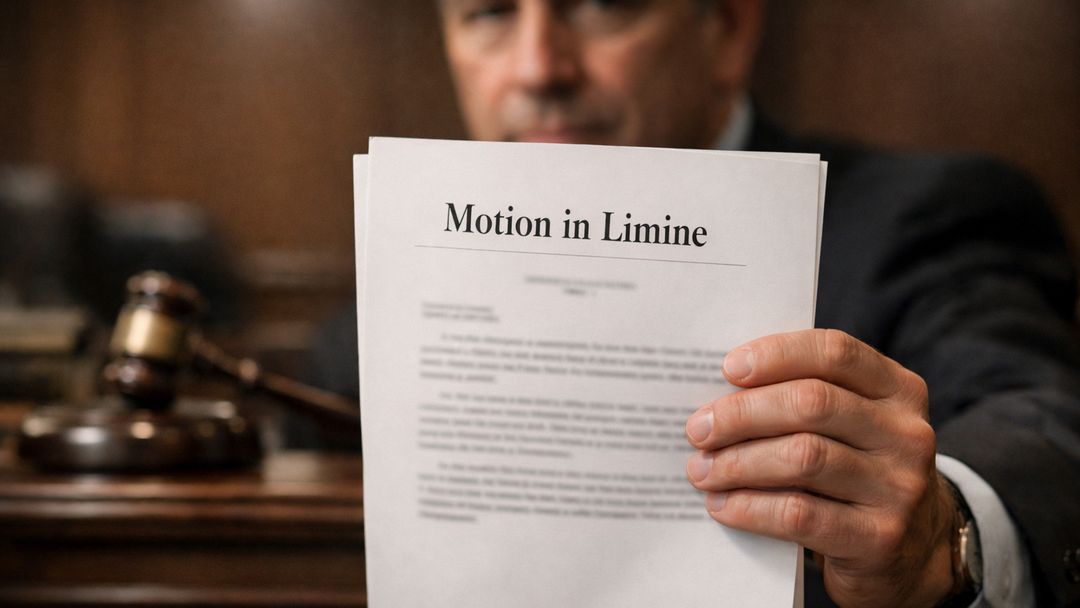
A Motion in Limine – What does it Mean?
Defininition and Explaination - Motion in LimineA motion in limine is a pretrial request asking the judge to exclude...

Michigan Supreme Court and Court of Appeals Cases – Threat of Terrorism
Case Summary In People v Kvasnicka, the defendant sent a message to a young girl stating she “would not be laughing”...
More

What Happens When the Government Takes Your Property?
Can the police sieze your belongings and hold it without charging you with a crime?Forfeiture laws in Michigan allow the government to seize property – like cash, cars, or even houses – if they believe it was involved in a crime. This can happen even if the owner...

Appeals Court – Detroit’s Asset Forfeiture Violates Due Process
A federal circuit judge writes that Detroit's vehicle seizure scheme "is simply a money-making venture—one most often used to extort money from those who can least afford it." A panel of federal appellate judges ruled that Detroit's practice of seizing people's cars...

SEARCH & SEIZURE: Government Use of Drones
Drone Surveillance and the Fourth Amendment: A New Case In a recent decision, the Michigan Court of Appeals held that persons have a reasonable expectation of privacy in their property against drone surveillance conducted without a warrant or pursuant to a recognized...
Michigan Forfeiture
Property that can be forfeited: Under Michigan law, the following property can be forfeited: Cash Vehicles Real estate Boats Aircraft Other personal property Crimes that can lead to forfeiture: Property can be forfeited if it is used or derived from a crime, or if it...

2018 Michigan Asset Forfeiture Report
In Michigan last year, 956 people who were never charged with or convicted of a crime nevertheless lost property to law enforcement and other agencies, based on suspicions that the property may have been connected to an alleged crime. Those 956 individuals represent...

Police Are Taking More Than Thieves-Legally
One of the most troubling recent scenes from Sacramento came as the California state legislature reached the end of its session. A simple bill that would rein in abuses of the civil-asset forfeiture process—i.e., when police agencies take property from people, even if...