

Involuntary Manslaughter Charges and Penalties in Michigan
Here’s things you should to know
What is Involuntary Manslaughter in Michigan?
Involuntary manslaughter differs from murder in that it lacks intent to kill.
In Michigan, it is somewhat defined as the killing of another person through:
- Recklessness: This involves acting with a conscious disregard for a substantial and unjustifiable risk that the act will cause death or serious physical harm.
- Gross negligence: This refers to a failure to use even the slightest care that a reasonable person would use in similar circumstances.
- Commission of a misdemeanor: This means unintentionally causing death while committing another crime, even a minor one.
Involuntary manslaughter distinguishes itself from voluntary manslaughter based on the intent of the alleged offender.
The broad differentiating factor lies in whether the accused intended to cause severe physical harm to the victim, as seen in cases of voluntary manslaughter.
Conversely, in cases of involuntary manslaughter, the accused is alleged to have caused the victim’s death without malice or intent.
A conviction of voluntary manslaughter can arise when the accused did not have the intention to cause serious bodily harm to the victim but exhibited a significant lack of care in their behavior towards the victim’s safety.
The determining factor between these two homicide offenses is typically the presence of intent.
What are the penalties?
- Up to 15 years in prison: The exact sentence depends on the specific circumstances of the case, including the severity of the recklessness or negligence and the presence of aggravating factors.
- Fine of up to $7,500: This financial penalty adds to the significant burden faced by those convicted.
Charged with Homicide, Second Degree Murder, Manslaughter?
Call our office to see if we can help
Komorn Law 248-357-2550
Additional Consequences:
Beyond the legal penalties, a conviction for involuntary manslaughter can have lasting consequences, including:
- Loss of employment or professional licenses: Many professions have strict ethical codes that may prohibit employing individuals with criminal records.
- Difficulty obtaining housing or loans: Background checks often reveal criminal convictions, making it harder to secure housing or loans.
- Social stigma: The emotional and social impact of a conviction can be significant, leading to isolation and judgment.
Related Articles

Squatters and the Law in Michigan
Squatters and YouSquatting, in one definition is the act of occupying a property without legal permission, can be a headache for both property owners and squatters themselves. Sorry to cause you a such a headache squatter. Michigan has specific laws addressing...

Adverse Possession in Michigan – Can Someone Claim Your Property?
Understanding Adverse Possession in MichiganMichigan recognizes adverse possession, a legal doctrine allowing someone to acquire ownership of real property they've occupied for a specific period, even without a formal title.The Statute: MCL 600.5801 The relevant...

Red Flag Rules for Extreme Risk Protection Orders-Firearms Act
Michigan Supreme Court - These changes follow the creation of the Extreme Risk Protection Order Act and amendments to the Firearms Act. Red Flag Laws.Effective February 13, 2024On February 6, 2024, the Michigan Supreme Court issued ADM File No. 2023-24, which adopts...
Synthetic Marijuana (Synthetic Cannabinoid Homologues)
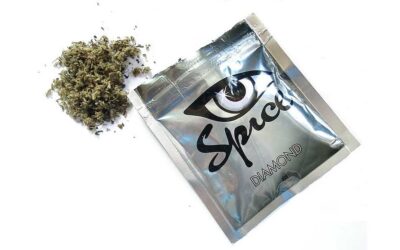
Spice/ K2, Synthetic MarijuanaWhat is Spice/ K2, Synthetic Marijuana? K2 and Spice are just two of the various trade names or brands for synthetic designer drugs that aim to replicate THC, the primary psychoactive component of marijuana. These designer synthetic drugs...
More Posts

US Cannabis Industry-Just Another Sinking Ship?
Is the cannabis industry just another sinking ship in the US? This story was picked up out in the cannabis news world. Read it for yourself. Have the end times have begun for US weed companies as the first South American imports are approved by the DEA. The US Federal...

Charged with DUI from Cannabis and this Ends up on the Report
So you got pulled over and charged with DUI from Cannabis use and this ends up on the report 11-Nor-9-carboxy-Δ9-tetrahydrocannabinol (11-COOH-THC or THC-COOH) as part of the test results. What is it?? Here's what they say...

The Marijuana Industry Paid an Extra $1.8 Billion in Federal Taxes Because of the 280E Tax Code
News from the internet Why legalize cannabis when 280E is the gift that keeps on giving to the Federal government? Whitney Economics, a cannabis research firm, recently conducted a comprehensive analysis of the impact of federal taxes on the cannabis industry. The...

DUI in Michigan
DUI in MichiganDriving under the influence (DUI) is a serious offense in Michigan that can result in severe legal consequences. Michigan DUI laws and penalties are designed to prevent impaired driving and keep the roads safe for everyone. From fines and license...

Conducting Criminal Enterprise Charges (CCE)
Conducting Criminal Enterprise laws and penalties in MichiganConducting Criminal Enterprise (CCE) is a serious offense in Michigan, carrying severe penalties for those convicted. Defined under Michigan Compiled Laws (MCL), CCE refers to the involvement in a pattern of...
Michigan’s DUI Laws and Penalties
Michigan's OWI Laws and PenaltiesAn DUI / OUI / OWVI conviction requires proof only that the driver shows visible signs of impairment due to ingesting alcohol or drugs. The Michigan Law Under MCL 257.625(3), you are assumed guilty of a crime if, regardless of your...

Michigan Law on Boating Under the Influence
Michigan Laws on Boating Under the InfluenceBoating is a fun activity, but it can be dangerous if the operator is under the influence of drugs or alcohol. Michigan law prohibits operating a motorboat while under the influence of drugs or alcohol. Boating Under the...

I was arrested what should I do
I was arrested what should I doIf you have been accused of any Crime or DUI.Call Our Office If You're Ready to Fight it.DO NOT TALK CONFESS BE AN A-HOLE THINK YOUR SMARTER THAN THE COPS THINK BY COOPERATING THEY WILL BE ON YOUR SIDE LIE (You can't lie if you say...

Federal Court Strikes Down Gun Ban For People Who Use Marijuana
The federal government's justification for upholding the law is "concerning," according to a federal judge, who ruled that the ban on marijuana users owning firearms is unconstitutional. A man was charged in Oklahoma in 2022 after police found marijuana and a handgun...

Police found my friend’s drugs in my car-What do I do?
When you're pulled over by the police and your friend throws their stash under your seat. Are they still your friend? That's up to you. But at the moment you probably are going to take the fall, pay the price and have your life turned inside out and upside down. The...