Michigan Implements Substantial Medical Debt Forgiveness Program
Governor Gretchen Whitmer has announced a significant initiative to alleviate the burden of medical debt for nearly 210,000 Michigan residents, totaling over $144 million in forgiven obligations. This program, a collaborative effort with the national non-profit Undue Medical Debt, represents a strategic deployment of state resources to address a critical factor contributing to financial instability among Michigan households. The funding for this endeavor primarily stems from the state’s fiscal year 2024 budget, along with supplemental contributions from various county governments, and leverages the unique operational model of Undue Medical Debt to maximize the impact of every dollar allocated. This article will provide a detailed exposition of the program’s origins, funding mechanisms, eligibility criteria, and relevant legal considerations.
Background and Program Genesis
The persistent issue of medical debt profoundly impacts the financial well-being of individuals and families across the United States. Governor Whitmer’s administration has consistently emphasized addressing healthcare costs and improving accessibility.
While the specifics of this particular program are recent, the Governor’s familiarity with the intricacies of the healthcare finance system may be informed by her personal history. Her father, Richard Whitmer, held the position of President and CEO of Blue Cross Blue Shield of Michigan from 1988 to 2006.
His extensive tenure in a leadership role within a major healthcare insurer would have provided direct insight into the systemic challenges associated with medical expenditures and the resultant accumulation of debt. This familial connection to the healthcare industry may have contributed to a comprehensive understanding that underpins the state’s proactive engagement in such debt relief initiatives.
The partnership with Undue Medical Debt is predicated on the non-profit’s capacity to acquire large portfolios of medical debt from healthcare providers and collection agencies at a significantly reduced rate, subsequently discharging these obligations for the affected individuals.
The primary source of funding for this round of medical debt forgiveness is an allocation of $4.5 million from the Michigan state fiscal year 2024 budget.
Key Aspects of the Medical Debt Forgiveness Program:
- Strategic Partnership: The State of Michigan has formalized a partnership with Undue Medical Debt, a 501(c)(3) non-profit organization. This collaboration is instrumental in the program’s efficacy, as Undue Medical Debt specializes in purchasing medical debt in bulk for a fraction of its face value, thereby enabling its complete extinguishment for debtors.
- Funding Allocation and Taxpayer Dollars: The primary source of funding for this round of medical debt forgiveness is an allocation of $4.5 million from the Michigan state fiscal year 2024 budget. This constitutes the direct use of taxpayer dollars. Furthermore, contributions from specific counties, including Wayne, Oakland, and Kalamazoo, have augmented the program’s capacity. The efficiency of the program is amplified by Undue Medical Debt’s operational model, wherein, on average, every dollar contributed facilitates the eradication of approximately one hundred dollars in medical debt.
- Eligibility Criteria: Eligibility for medical debt relief is determined by specific financial parameters. Individuals qualify if their income is at or below four hundred percent (400%) of the federal poverty level, or if their medical debt constitutes five percent (5%) or more of their annual income. This targeted approach ensures that assistance is directed toward those experiencing the most substantial financial hardship due to medical obligations.
- Notification Protocol: Individuals whose medical debt has been discharged will receive formal notification via mail directly from Undue Medical Debt. This communication will confirm the forgiveness of their outstanding medical bills, and no proactive action is required from the beneficiaries.
- Credit Reporting Implications: It is important for beneficiaries to understand the implications for their credit reports. While the medical debt is indeed forgiven under this program, a recent federal court ruling reversed a prior rule that would have mandated the removal of medical debt from credit reports. Consequently, previously reported medical debt may persist on credit reports for up to seven years, irrespective of its forgiveness under this initiative.
- Michigan Statutes Governing Medical Debt Collection: In Michigan, the statute of limitations for the collection of medical debt is six (6) years from the date of the last payment or written acknowledgment of the debt. Beyond this period, creditors are generally precluded from initiating legal action to recover the debt, though non-litigious collection attempts may still occur.
- Relevant Michigan Law: The Michigan Collection Practices Act, specifically MCL 445.252, delineates prohibited conduct for debt collectors in the state.
Komorn Law PLLC
Established in 1993, Komorn Law possesses extensive experience and expertise in navigating the complexities of legal proceedings across all court systems, ranging from district to federal jurisdictions. When confronted with legal challenges, it is imperative to secure diligent legal representation from a firm that comprehends the intricate nuances of the law and is committed to achieving favorable outcomes for its clientele. Komorn Law is distinguished by its assertive advocacy and unwavering dedication to justice. For professional legal counsel from a firm known for its tenacious representation, contact our office at (248) 357-2550.
FAQs
About Michigan’s medical debt forgiveness program
Q: How is eligibility for this medical debt forgiveness program determined?
A: Eligibility is determined based on financial criteria, specifically if an individual’s income is at or below four times the federal poverty level, or if their medical debt accounts for 5% or more of their annual income.
Q: Will the forgiveness of medical debt through this program remove past medical debt entries from my credit report?
A: While the debt itself is forgiven, a recent federal court ruling indicates that previously reported medical debt may remain on credit reports for up to seven years, even after being discharged through this program.
Q: What recourse do individuals have if they are subjected to collection attempts for medical debt after it has been officially forgiven under this initiative?
A: Individuals who receive notification of medical debt forgiveness and subsequently face collection attempts should retain their official forgiveness letter from Undue Medical Debt. They may consult with legal counsel to assert their rights and address any improper collection practices, referencing Michigan’s debt collection laws, such as MCL 445.252.
More Posts

MI COA Upholds Constitutionality of State’s Terrorist Threat Statute
The ruling means that prosecutors can continue to use this law as a vital tool in holding individuals accountable for making threats of terrorism, provided they can demonstrate the defendant acted recklessly in communicating the threat. The statute does not require...

Elder and Vulnerable Adult Financial Exploitation in Michigan
FAQs and Laws about Elder and Vulnerable Adult Financial ExploitationFinancial exploitation of elders and vulnerable adults is a growing and particularly insidious crime in Michigan, preying on individuals who, due to age, disability, or mental incapacity, are unable...

Sextortion and Sexploitation in Michigan
FAQs and Laws about Sextortion and SexploitationSextortion and sexploitation are increasingly prevalent and devastating forms of digital abuse, leveraging technology to coerce, manipulate, and exploit individuals, often for sexual gratification or financial gain....
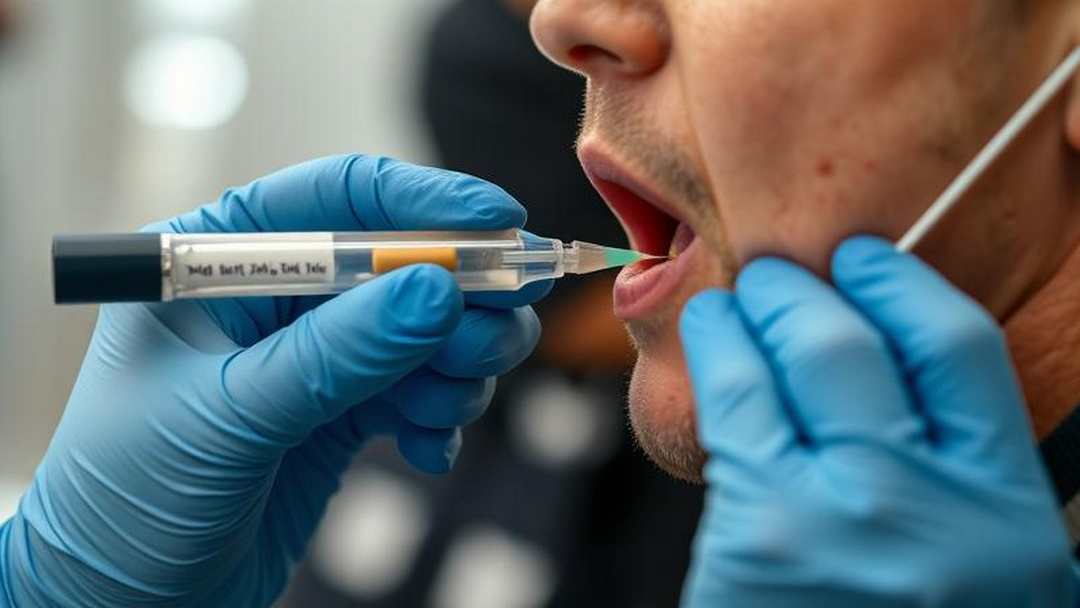
Michigan House Bill NO. 4391
It may just be easier to collect and analyze tears.This legislation seeks to integrate saliva testing for cannabis within law enforcement procedures, designating a refusal to participate in this testing as a criminal offense, similar to the penalties imposed for...

How Much Does It Cost To Hire a Criminal Defense Attorney?
Don't do the crime - if you can't pay the price.Average Flat Fees. Some criminal defense attorneys charge a flat fee for certain types of cases, instead of billing by the hour. This may or may not include filing fees, motions, fees, etc. Flat fees include: DUI/DWI –...
What is a Franks Hearing?
What is a Frank's Hearing?A Franks hearing is a critical legal tool used when a defendant claims that police lied, exaggerated, or recklessly disregarded the truth in a search warrant affidavit. When law enforcement places its hand on the Constitution, the law...
Komorn Law
Arrested? – Better Call Komorn
Komorn Law
Areas of Service
We fight for our clients throughout the State of Michigan and Northern Ohio.
Here are some court contacts we frequently handle cases.
Oakland County
If you are facing any legal charges in Oakland County and need to hire an attorney, call our Office (248) 357-2550. If you need to contact the court, here is the information:
- Telephone Number: (248) 858-0344
- Address: 1200 N Telegraph Rd, Department 404, Pontiac, MI 48341-0404
- Website:
Oakland County 6th Judicial Circuit Court
Macomb County
If you are facing any legal charges in Macomb County and need to hire an attorney, call our Office (248) 357-2550. If you need to contact the court, here is the information:
- Telephone Number: (586) 469-5150
- Address: 40 N. Main Street, Mt. Clemens, MI 48043
- Website:
Macomb County 16th Judicial Circuit Court
Wayne County
If you are facing any legal charges in Wayne County and need to hire an attorney, call our Office (248) 357-2550. If you need to contact the court, here is the information for the Third Circuit Court (Wayne County):
- Telephone Number (Civil/Family): (313) 224-5510
- Telephone Number (Criminal): (313) 224-5261 or (313) 224-2503
- Address (Civil/Family): 2 Woodward Avenue, Detroit, MI 48226
- Address (Criminal): 1441 St. Antoine, Detroit, MI 48226
- Website:
https://www.3rdcc.org/
Kent County
If you are facing any legal charges in Kent County and need to hire an attorney, call our Office (248) 357-2550. If you need to contact the court, here is the information:
- Telephone Number: (616) 632-5220
- Address: 180 Ottawa Avenue NW, Grand Rapids, MI 49503
- Website:
Kent County
Traverse County
If you are facing any legal charges in Traverse County and need to hire an attorney, call our Office (248) 357-2550. If you need to contact the court, here is the information for the 13th Circuit Court (which includes Traverse County):
- Telephone Number: (231) 922-4701
- Address: 328 Washington Street, Suite 300, Traverse City, MI 49684
- Website: Traverse City 13h Circuit Court
Monroe County
If you are facing any legal charges in Monroe County and need to hire an attorney, call our Office (248) 357-2550. If you need to contact the court, here is the information:
- Telephone Number: (734) 240-7020
- Address: 106 E First Street, Monroe, MI 48161
- Website: Monroe County 38th Circuit Court