
Sorry…Not Sorry
Michigan Governmental Immunity Laws
Michigan’s governmental immunity laws provide legal protection to government agencies and their employees in negligence lawsuits. Here are the key points:
Governmental Agency Immunity:
- A governmental agency is immune from tort liability when engaged in the exercise or discharge of a governmental function.
- This immunity does not modify or restrict the state’s immunity from tort liability as it existed before July 1, 1965.
- The state’s immunity from tort liability is affirmed.
Officer and Employee Immunity:
Officers, employees, and volunteers acting on behalf of a governmental agency are immune from tort liability for injuries or property damage caused during the course of employment or service.
Conditions for immunity:
- Acting within the scope of authority.
- The governmental agency is engaged in a governmental function.
- Conduct does not amount to gross negligence that proximately causes injury or damage.
- Intentional torts are not covered by this immunity.
Specific Immunities:
- Judges, legislators, and the highest appointive executive officials are immune from tort liability when acting within their respective authorities.
- Guardians ad litem are immune when acting within their authority.
Why not you?
Because you don’t work for the government.
Watch the abuse in the near future
Relevant Michigan Compiled Laws (MCL) Links
- MCL Section 691.1407: Detailed provisions on governmental immunity.
- MCL Section 691.1418: Factual disputes related to injuries and serious impairment of body function.
News Articles on Michigan Immunity Laws
- FOX 17: What is Government Immunity?
Provides an overview of government immunity in Michigan. - FOX 2 Detroit: Waiting for Justice – Michigan’s Public Employees and Government Immunity
Discusses how government immunity protects public employees unless gross negligence is proven as the proximate cause of injury or damage.
FAQs
Is Michigan a qualified immunity state?
- In Michigan, qualified immunity is created by statute. Its application, however, is limited to state court civil actions alleging tortious behavior causing injury or damages, such as cases which allege assault, battery (excessive force claims), and injuries from vehicular accidents.
What are the exceptions to governmental immunity in Michigan?
- Since 1986, most of the governmental immunity cases have been focused on the major exceptions to governmental immunity—failure to keep highways in reasonable repair, the negligent operation of government-owned motor vehicles, and dangerous or defective conditions in public buildings.
Who qualifies for immunity?
- Qualified immunity only applies to suits against government officials as individuals, not suits against the government for damages caused by the officials’ actions. Although qualified immunity frequently appears in cases involving police officers, it also applies to most other executive branch officials.
What states are getting rid of qualified immunity?
- In addition, cities and states can create their own causes of action to hold government officials accountable and ban qualified immunity as a potential defense. Today, four states—Colorado, Montana, Nevada, and New Mexico—have eliminated qualified immunity for state constitutional lawsuits against police officers.
Here’s the Law
MCL Section 691.1407
691.1407 Immunity from tort liability; intentional torts; immunity of judge, legislator, official, and guardian ad litem; immunity of governmental agency under MISS DIG underground facility damage prevention and safety act; definitions.
Sec. 7.

Trump’s Marijuana Reclassification 2025
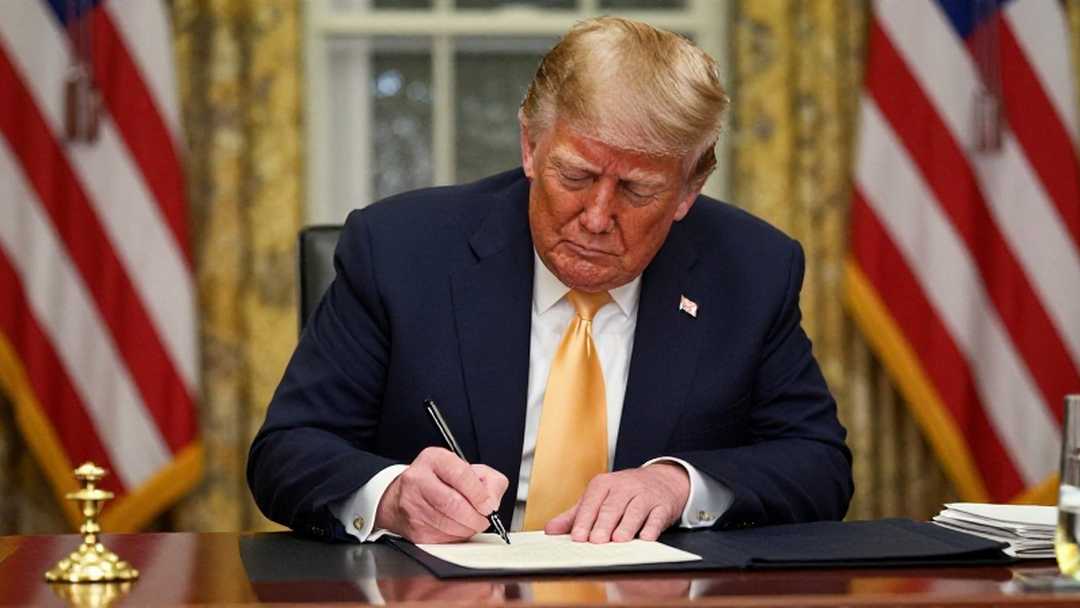
Donald Trump’s Actions On December 18, 2025, President Donald Trump signed an executive order reclassifying marijuana from a Schedule I to a Schedule III controlled substance under the federal Controlled Substances Act (CSA). This marks the most significant federal...

Michigan Supreme Court and Court of Appeals Cases – Felon in Possession
Case Summary In People v Hughes, the defendant challenged Michigan’s felon‑in‑possession statute on Second Amendment grounds. He argued the law was unconstitutional both on its face and as applied to nonviolent offenders. The Court of Appeals rejected both...
Other Articles

The Michigan Supreme Court has ruled they have the right to ban guns
July 27, 2018 - The Michigan Supreme Court has ruled that the Ann Arbor and Clio school districts have a right to ban guns from their schools In a very much watched case that deals a blow to gun rights advocates who argued state law prohibits schools from...
Medical Marijuana, Gun Ownership, and CPLs in Michigan
It is a complex and changing area of law. We know that federal law (18 U.S.C. § 922(g)(3)) makes it a felony for an “unlawful user of … any controlled substance” to “possess … any firearm or ammunition.” Marijuana is classified as a Schedule I controlled substance, so...

US court upholds ban on selling guns to marijuana card holders
SAN FRANCISCO — A federal ban on the sale of guns to medical marijuana card holders does not violate the Second Amendment, a federal appeals court said Wednesday. The ruling by the 9th U.S. Circuit Court of Appeals applies to the nine Western states that fall under...