
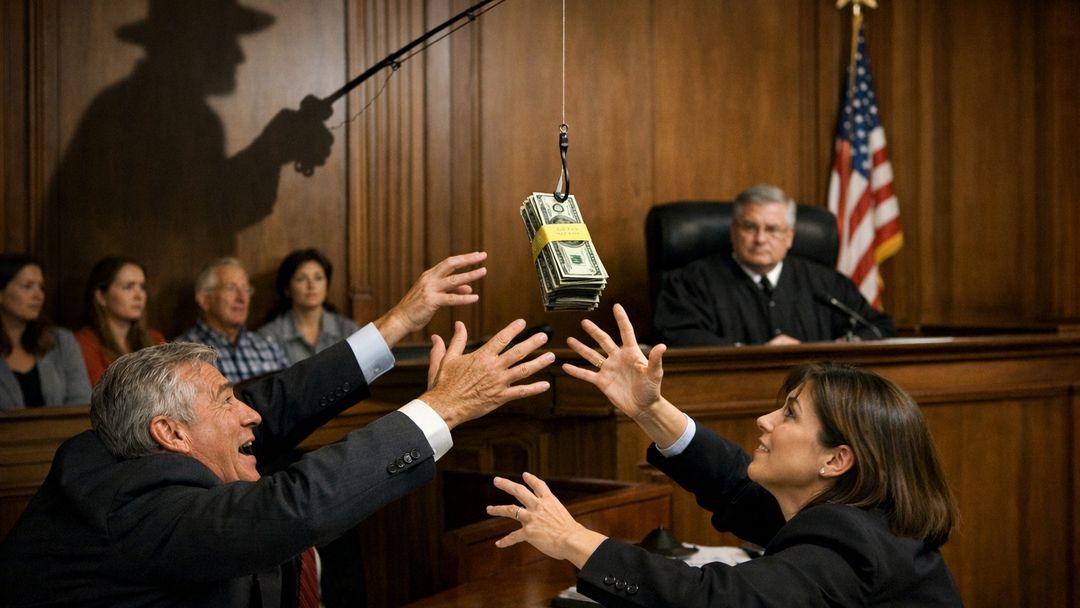
The Shadow Cash Threat: Protecting the Integrity of Michigan Courtrooms
In recent months, a spotlight has been cast on a hidden influence within the Michigan legal system: “shadow cash.” This term refers to third-party litigation funding (TPLF), where outside investors—ranging from private equity firms to foreign entities—finance lawsuits in exchange for a portion of the settlement.
The Legislative Push: House Bill 5281 and Transparency
To combat this “secret rot,” Michigan legislators have introduced
Judicial Integrity and Dark Money in Elections
The concern over shadow cash extends beyond individual lawsuits and into the very seats of the judiciary.
The Pros and Cons of Third-Party Funding
The debate over litigation funding is nuanced. Pros include “leveling the playing field” for individuals facing off against massive corporations with unlimited resources. Without this funding, some legitimate claims might never reach a courtroom. On the other hand, the cons are significant: investors often prioritize their ROI over the client’s best interest, which can prolong litigation and drive up insurance premiums and consumer costs.
FAQ
Q: Is third-party litigation funding currently illegal in Michigan?
A: No. It is a legal practice that currently operates in a “gray area” with very few disclosure requirements.
Q: Why does it matter if a foreign entity funds a Michigan lawsuit?
A: Legal experts and legislators warn that foreign adversaries could use litigation funding to gain access to sensitive American business strategies, trade secrets, and intellectual property through the discovery process of a lawsuit.
Q: How does “dark money” affect my specific court case?
A: If a judge received significant campaign support from an anonymous group funded by your opponent, there is a risk of bias. Current laws make it difficult to identify these connections, which is why groups like the State Bar of Michigan have called for stricter disclosure rules.
Referenced Links
Komorn Law,
Established 1993
In a legal climate where “shadow cash” and dark money threaten the fairness of our courtrooms, you need an advocate who stands firmly in the light. At
Follow the money
- 24% tax on weed
- 52 cents per gallon tax
- fraud
- more fraud
- more fraud
- more fraud
- more fraud
- Detroit judge, 3 others charged in alleged scheme to steal thousands from vulnerable and incapacitated people
- Ex-(Who cares Red or Blue) Party treasurer charged with embezzling from vulnerable adult
- and more fraud
- Taxpayer funded Michigan Ice Tracker
More

Michigan Supreme Court and Court of Appeals Cases – Election Interference
Case Summary In People v Burkman, defendants created a robocall targeting African American voters during the 2020 election. The call falsely warned that mail‑in voting would expose voters to law‑enforcement tracking, debt collection, and forced vaccinations....

Michigan Cannabis Tax Fraud Cases Are Rising
Hands up CaponeMichigan’s regulated cannabis industry is in a very different place than it was when medical marijuana and adult-use legalization were the primary battlegrounds. As prices compress, margins disappear, and tax burdens increase, enforcement doesn’t...

Deadlocked Jury – What does it mean?
A deadlocked jury is often called a hung jury—A deadlocked jury—often called a hung jury—occurs when jurors cannot reach the unanimous (or legally required) agreement needed to deliver a verdict. In criminal cases, most jurisdictions require unanimity. When the jury...

Social Security Scams – What to Know
The Social Security Administration (SSA) and the Office of the Inspector General (OIG) have issued several warnings about ongoing Social Security scams and continue to advise caution to the public. Here are some of the popular Social Security scams to watch out for in...

Court to Allow Challenge to Michigan’s New 24% Cannabis Tax
Summary A Michigan Court of Claims judge has ruled that the lawsuit challenging the state’s newly enacted 24% wholesale marijuana excise tax may proceed. The ruling, issued January 5, 2026, keeps alive a significant constitutional challenge brought by industry groups...

Michigan Supreme Court and Court of Appeals Cases – Arrest
People v Lyons, No 370840, ___ Mich App ___, ___ NW3d ___ (May 13, 2025)Case Summary In People v Lyons, the defendant was a passenger in a vehicle stopped by police. Before the vehicle fully stopped, he exited and began walking away. Officers ordered him to return, he...

Michigan Drivers Face Higher Gas Tax in 2026
Keep Pushing.Summary Michigan’s fuel‑tax structure will undergo a major statutory shift on January 1, 2026, raising the state gas tax from 31 cents to approximately 52.4 cents per gallon. The change eliminates the 6% sales tax on fuel and replaces it with a higher,...

Michigan Supreme Court and Court of Appeals Cases – Manslaughter
Case Summary These two cases examine the boundaries of involuntary manslaughter. In People v Aiyash, a gas‑station clerk locked an agitated customer and three patrons inside the store, after which the customer shot the patrons. In People v Sherrill, the defendant...

Michigan begins 2026 with New Laws
Michigan’s 2026 legal landscape includes major tax reforms—most notably the gas‑tax increase from 31¢ to 52.4¢ per gallon—along with cannabis tax changes, wage increases, consumer protections, and transparency laws.Michigan begins 2026 with a slate of new laws...
Michigan Supreme Court and Court of Appeals Cases – Appeal
Michigan appellate courts issued several significant decisions refining how convictions are reviewed, when relief from judgment is appropriate, and how procedural errors must be preserved. These cases collectively clarify retroactivity, evidentiary‑weight standards,...