
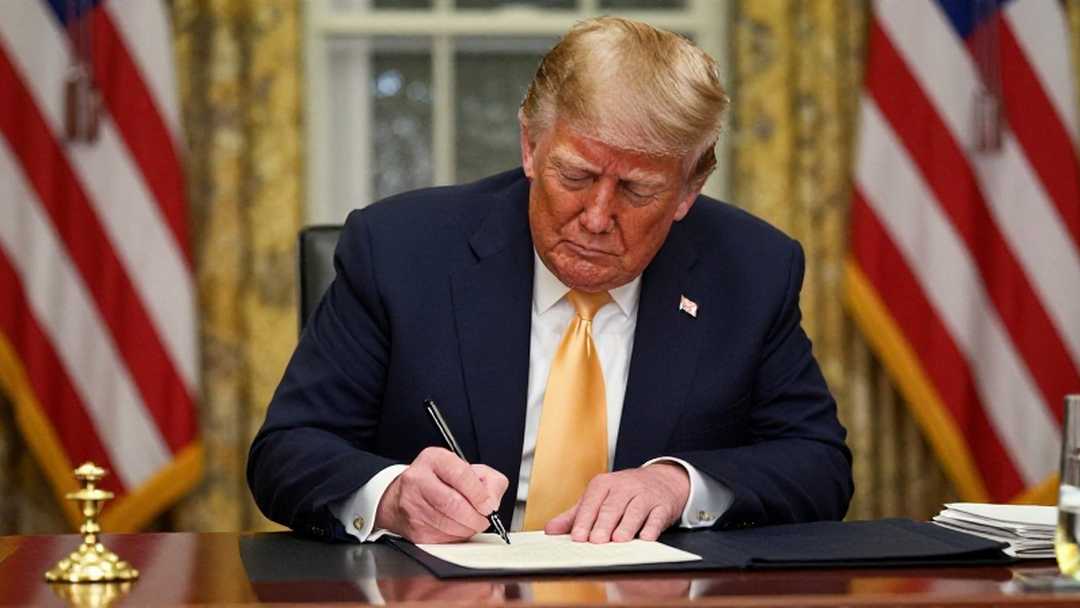
Donald Trump’s Actions
On December 18, 2025, President Donald Trump signed an executive order reclassifying marijuana from a Schedule I to a Schedule III controlled substance under the federal Controlled Substances Act (CSA). This marks the most significant federal cannabis policy shift in decades, moving marijuana out of the category reserved for drugs deemed to have no medical use and high abuse potential (like heroin and LSD)
Brief Summary
The reclassification does not legalize marijuana federally. Instead, it reduces restrictions, allowing expanded medical research, easing tax burdens for cannabis businesses, and potentially opening the door for cannabis-derived therapies to be covered under federal health programs
Background
-
Schedule I drugs: No accepted medical use, high abuse potential (heroin, LSD).
-
Schedule III drugs: Moderate to low abuse potential, recognized medical uses (ketamine, Tylenol with codeine).
-
Marijuana has been Schedule I since 1970, despite widespread state legalization for medical and recreational use.
-
The Biden administration began the rescheduling review, but Trump’s order finalized the move
Opinions
-
Supporters argue this is a long-overdue recognition of marijuana’s medical value, especially for veterans and patients with chronic pain, cancer, or seizure disorders.
-
Critics caution that rescheduling may invite pharmaceutical industry dominance, complicate state markets, and still leaves recreational legalization unresolved.
-
Legal scholars note that while research barriers will ease, criminal penalties remain, and federal-state conflicts persist.
What’s at Stake
-
Medical Research: Universities and labs can now study cannabis without the same federal hurdles.
-
Business Operations: Cannabis companies may gain relief from punitive IRS rules (Section 280E), improving profitability.
-
Healthcare Access: Pilot programs could allow CBD and cannabis-derived treatments under Medicare.
-
Legal Landscape: Federal prosecutions for marijuana-related offenses remain possible, though less likely for medical contexts.
-
State Laws: States retain authority; Trump’s order does not override state prohibitions
In Closing
Trump’s executive order is a historic but partial reform. It acknowledges marijuana’s medical potential while stopping short of full legalization. For legal professionals, the move raises questions about federal-state conflicts, tax law implications, and regulatory oversight. For everyday readers, it signals progress toward mainstream acceptance, but the path to nationwide legalization remains uncertain.
Frequently Asked Questions (FAQs)
Q: Does this mean marijuana is now legal nationwide?
A: No. Marijuana remains federally controlled. States still decide whether recreational or medical use is legal.
Q: What is the difference between Schedule I and Schedule III?
A: Schedule I drugs are considered highly dangerous with no medical use. Schedule III drugs have accepted medical uses and lower abuse potential.
Q: Will cannabis businesses pay less in taxes now?
A: Likely yes. Rescheduling may exempt them from IRS Section 280E, which disallowed normal business deductions.
Q: Can doctors now prescribe marijuana?
A: Not yet. The FDA must approve cannabis-based medications before doctors can prescribe them like other Schedule III drugs.
Q: Does this affect state marijuana laws?
A: No. States retain control. Federal reclassification does not force states to legalize marijuana.
Related Info, Laws or Articles
- Controlled Substances Act (21 U.S.C. § 812)
- Internal Revenue Code § 280E
- Agriculture Improvement Act of 2018 (Hemp provisions)
- People v. Armstrong (Michigan Supreme Court, 2025 – marijuana smell and probable cause)
- Gonzales v. Raich, 545 U.S. 1 (2005) – federal power over marijuana despite state laws
Komorn Law, founded in 1993, brings decades of seasoned experience to Michigan’s most complex criminal and regulatory matters, including the evolving cannabis framework from the MMMA to today’s MRTMA landscape. The firm represents clients facing controlled‑substance offenses, DUI and drug‑related driving charges, firearm violations, property crimes, resisting or obstructing, and the most serious allegations such as manslaughter and homicide. With a proven record in courts across Michigan and the federal system, Komorn Law delivers strategic, relentless advocacy when the stakes are highest. To work with a firm that truly refuses to back down, call 248-357-2550.
More Articles

People v. Lukity, 460 Mich 484 (1999)
Case Summary The Michigan Supreme Court reversed the Court of Appeals and reinstated the defendant’s conviction for...

Michigan Supreme Court and Court of Appeals Cases – Threat of Terrorism
Case Summary In People v Kvasnicka, the defendant sent a message to a young girl stating she “would not be laughing”...
A Motion in Limine – What does it Mean?
Defininition and Explaination - Motion in LimineA motion in limine is a pretrial request asking the judge to exclude...
Michigan Supreme Court and Court of Appeals Cases – Threat of Terrorism
Case Summary In People v Kvasnicka, the defendant sent a message to a young girl stating she “would not be laughing”...
More
A Motion in Limine – What does it Mean?
Defininition and Explaination - Motion in LimineA motion in limine is a pretrial request asking the judge to exclude (or sometimes allow) specific evidence before the jury ever hears it. It’s one of the most important evidentiary tools in both criminal and civil...

Michigan Supreme Court and Court of Appeals Cases – Threat of Terrorism
Case Summary In People v Kvasnicka, the defendant sent a message to a young girl stating she “would not be laughing” when he came to her school to “shoot it up or blow it up like Columbine.” Charged under Michigan’s threat‑of‑terrorism statute, he argued the law was...
What is a Franks Hearing?
What is a Frank's Hearing?A Franks hearing is a critical legal tool used when a defendant claims that police lied, exaggerated, or recklessly disregarded the truth in a search warrant affidavit. When law enforcement places its hand on the Constitution, the law...

Michigan House Bill Proposes 32% Tax on Internet Devices for Kids
Taxed Again..? They're working on it.A newly introduced Michigan House bill would impose a 32% excise tax on smartphones, tablets, gaming systems, and other internet‑connected devices marketed to or primarily used by minors. Lawmakers backing the proposal argue the...

Shadow cash is corrupting Michigan courtrooms
The Shadow Cash Threat: Protecting the Integrity of Michigan Courtrooms In recent months, a spotlight has been cast on a hidden influence within the Michigan legal system: "shadow cash." This term refers to third-party litigation funding (TPLF), where outside...

Michigan judge charged in stealing from incapacitated adults
No Good Headline to Lead with HereSummary Federal prosecutors have charged a 36th District Court judge and three associates with orchestrating a long‑running financial scheme that diverted funds from incapacitated adults under court‑appointed guardianship. The...