
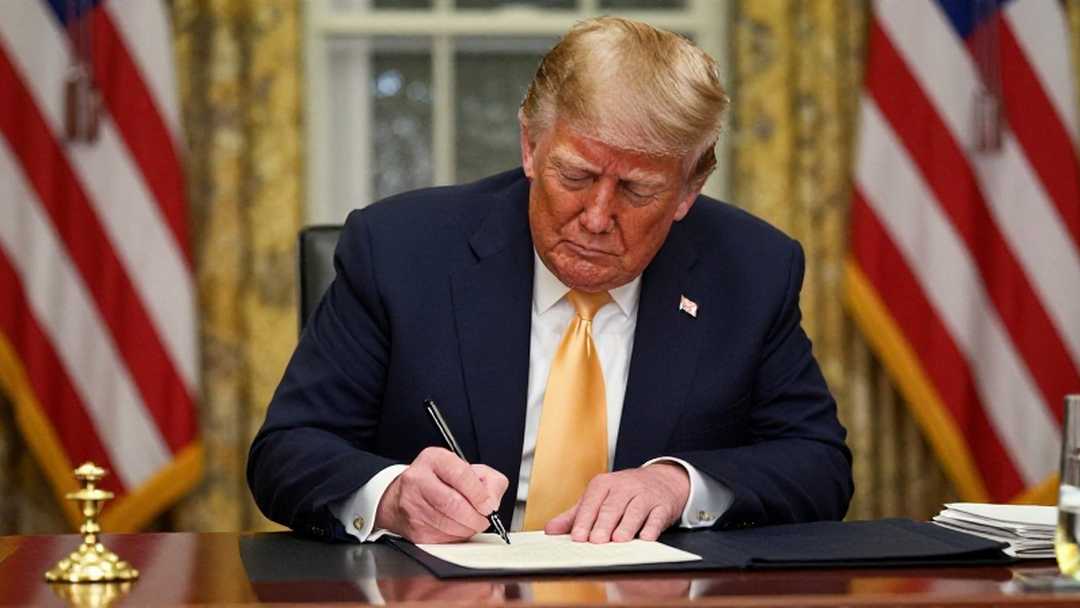
Donald Trump’s Actions
On December 18, 2025, President Donald Trump signed an executive order reclassifying marijuana from a Schedule I to a Schedule III controlled substance under the federal Controlled Substances Act (CSA). This marks the most significant federal cannabis policy shift in decades, moving marijuana out of the category reserved for drugs deemed to have no medical use and high abuse potential (like heroin and LSD)
Brief Summary
The reclassification does not legalize marijuana federally. Instead, it reduces restrictions, allowing expanded medical research, easing tax burdens for cannabis businesses, and potentially opening the door for cannabis-derived therapies to be covered under federal health programs
Background
-
Schedule I drugs: No accepted medical use, high abuse potential (heroin, LSD).
-
Schedule III drugs: Moderate to low abuse potential, recognized medical uses (ketamine, Tylenol with codeine).
-
Marijuana has been Schedule I since 1970, despite widespread state legalization for medical and recreational use.
-
The Biden administration began the rescheduling review, but Trump’s order finalized the move
Opinions
-
Supporters argue this is a long-overdue recognition of marijuana’s medical value, especially for veterans and patients with chronic pain, cancer, or seizure disorders.
-
Critics caution that rescheduling may invite pharmaceutical industry dominance, complicate state markets, and still leaves recreational legalization unresolved.
-
Legal scholars note that while research barriers will ease, criminal penalties remain, and federal-state conflicts persist.
What’s at Stake
-
Medical Research: Universities and labs can now study cannabis without the same federal hurdles.
-
Business Operations: Cannabis companies may gain relief from punitive IRS rules (Section 280E), improving profitability.
-
Healthcare Access: Pilot programs could allow CBD and cannabis-derived treatments under Medicare.
-
Legal Landscape: Federal prosecutions for marijuana-related offenses remain possible, though less likely for medical contexts.
-
State Laws: States retain authority; Trump’s order does not override state prohibitions
In Closing
Trump’s executive order is a historic but partial reform. It acknowledges marijuana’s medical potential while stopping short of full legalization. For legal professionals, the move raises questions about federal-state conflicts, tax law implications, and regulatory oversight. For everyday readers, it signals progress toward mainstream acceptance, but the path to nationwide legalization remains uncertain.
Frequently Asked Questions (FAQs)
Q: Does this mean marijuana is now legal nationwide?
A: No. Marijuana remains federally controlled. States still decide whether recreational or medical use is legal.
Q: What is the difference between Schedule I and Schedule III?
A: Schedule I drugs are considered highly dangerous with no medical use. Schedule III drugs have accepted medical uses and lower abuse potential.
Q: Will cannabis businesses pay less in taxes now?
A: Likely yes. Rescheduling may exempt them from IRS Section 280E, which disallowed normal business deductions.
Q: Can doctors now prescribe marijuana?
A: Not yet. The FDA must approve cannabis-based medications before doctors can prescribe them like other Schedule III drugs.
Q: Does this affect state marijuana laws?
A: No. States retain control. Federal reclassification does not force states to legalize marijuana.
Related Info, Laws or Articles
- Controlled Substances Act (21 U.S.C. § 812)
- Internal Revenue Code § 280E
- Agriculture Improvement Act of 2018 (Hemp provisions)
- People v. Armstrong (Michigan Supreme Court, 2025 – marijuana smell and probable cause)
- Gonzales v. Raich, 545 U.S. 1 (2005) – federal power over marijuana despite state laws
Komorn Law, founded in 1993, brings decades of seasoned experience to Michigan’s most complex criminal and regulatory matters, including the evolving cannabis framework from the MMMA to today’s MRTMA landscape. The firm represents clients facing controlled‑substance offenses, DUI and drug‑related driving charges, firearm violations, property crimes, resisting or obstructing, and the most serious allegations such as manslaughter and homicide. With a proven record in courts across Michigan and the federal system, Komorn Law delivers strategic, relentless advocacy when the stakes are highest. To work with a firm that truly refuses to back down, call 248-357-2550.
More Articles

Michigan Supreme Court and Court of Appeals Cases – Prisoner in Possession
Prisoner in Possession of a Controlled SubstanceCase Summary In People v Tadgerson, the Michigan Supreme Court...

Michigan Supreme Court and Court of Appeals Cases – Murder
Case Summary In People v Jones, the Michigan Court of Appeals addressed whether a single act of abuse can support...
What is a Franks Hearing?
What is a Frank's Hearing?A Franks hearing is a critical legal tool used when a defendant claims that police lied,...

Michigan House Bill Proposes 32% Tax on Internet Devices for Kids
Taxed Again..? They're working on it.A newly introduced Michigan House bill would impose a 32% excise tax on...
More

Michigan Cannabis Tax Fraud Cases Are Rising
Hands up CaponeMichigan’s regulated cannabis industry is in a very different place than it was when medical marijuana and adult-use legalization were the primary battlegrounds. As prices compress, margins disappear, and tax burdens increase, enforcement doesn’t...

Deadlocked Jury – What does it mean?
A deadlocked jury is often called a hung jury—A deadlocked jury—often called a hung jury—occurs when jurors cannot reach the unanimous (or legally required) agreement needed to deliver a verdict. In criminal cases, most jurisdictions require unanimity. When the jury...

Social Security Scams – What to Know
The Social Security Administration (SSA) and the Office of the Inspector General (OIG) have issued several warnings about ongoing Social Security scams and continue to advise caution to the public. Here are some of the popular Social Security scams to watch out for in...

Court to Allow Challenge to Michigan’s New 24% Cannabis Tax
Summary A Michigan Court of Claims judge has ruled that the lawsuit challenging the state’s newly enacted 24% wholesale marijuana excise tax may proceed. The ruling, issued January 5, 2026, keeps alive a significant constitutional challenge brought by industry groups...

Michigan Supreme Court and Court of Appeals Cases – Arrest
People v Lyons, No 370840, ___ Mich App ___, ___ NW3d ___ (May 13, 2025)Case Summary In People v Lyons, the defendant was a passenger in a vehicle stopped by police. Before the vehicle fully stopped, he exited and began walking away. Officers ordered him to return, he...

Michigan Drivers Face Higher Gas Tax in 2026
Keep Pushing.Summary Michigan’s fuel‑tax structure will undergo a major statutory shift on January 1, 2026, raising the state gas tax from 31 cents to approximately 52.4 cents per gallon. The change eliminates the 6% sales tax on fuel and replaces it with a higher,...