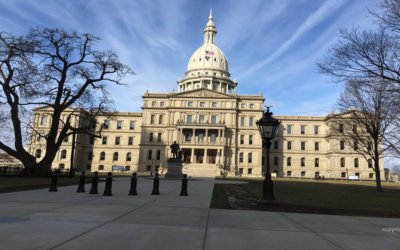

Michigan Rules of Evidence: A Guide to Rules 201-202
Understanding the Michigan Rules of Evidence is crucial for anyone involved in legal proceedings within the state.
This article focuses on two key rules: 201** (Judicial Notice of Adjudicative Facts)** and 202** (Judicial Notice of Law)**, providing a concise and informative overview of their purpose, scope, and application.
Rule 201: Judicial Notice of Adjudicative Facts
This rule empowers the court to take certain facts, known as “adjudicative facts,” as true without requiring formal proof during a trial.
These facts must be:
- Not subject to reasonable dispute: They are either universally accepted within the court’s jurisdiction or readily verifiable from reliable sources.
- Examples: Commonly-known geographic features, population statistics, or widely-accepted scientific principles.
The court can take notice of these facts either:
- On its own initiative: In situations where the fact is readily apparent and critical to the case.
- At the request of a party: If the party provides sufficient information and allows opposing parties time to prepare.
Rule 201: Judicial Notice of Adjudicative Facts
This rule empowers the court to take certain facts, known as “adjudicative facts,” as true without requiring formal proof during a trial.
These facts must be:
- Not subject to reasonable dispute: They are either universally accepted within the court’s jurisdiction or readily verifiable from reliable sources.
- Examples: Commonly-known geographic features, population statistics, or widely-accepted scientific principles.
Have your rights been violated?
Have your driving priviledges been revoked?
Has your professional license been suspended?
Have you been charged with a crime?
Call our office to see if we can help
Komorn Law 248-357-2550
Rule 202: Judicial Notice of Law
Similar to Rule 201, this rule allows the court to acknowledge certain legal matters without requiring formal presentation of evidence. These matters include:
Law in force: This encompasses the common law, constitutions, and public statutes of all jurisdictions within the United States.
Private acts and resolutions: These are specific legislative documents passed by Congress or the Michigan Legislature.
Local ordinances and regulations: These are rules established by governmental subdivisions or agencies within Michigan.
Foreign laws: The court can take notice of foreign laws upon proper presentation of evidence.
The court may take notice of these legal matters either:
On its own initiative: In situations where the law is readily apparent and relevant to the case.
At the request of a party: If the party provides sufficient information and allows opposing parties time to prepare.
Key Differences between Rules 201 and 202:
Type of knowledge: Rule 201 deals with factual matters, while Rule 202 deals with legal matters.
Scope: Rule 201 applies to facts within the court’s jurisdiction, while Rule 202 has a broader scope covering national, state, local, and even foreign laws.
Onus of proof: For Rule 201, the burden of proof lies with the party requesting judicial notice to provide the necessary information. For Rule 202, the court may take notice on its own initiative, but parties can still object or challenge the accuracy of the legal matter.
Important:
This article provides a simplified overview of the Michigan Rules of Evidence for informational purposes only. It should not be interpreted as legal advice. When facing legal matters, always consult with a qualified attorney for professional guidance.
The Michigan Rules of Evidence are subject to change over time. Always consult the latest official version for accurate information.
Here is the link to the Michigan Rules of Evidence Handbook. Check the footer for the latest update.
Related Articles
No Results Found
The page you requested could not be found. Try refining your search, or use the navigation above to locate the post.
More Posts

Biden Issues More Cannabis Pardons but…
Joe Biden has extended pardons for individuals charged with simple cannabis possession and use, yet disappointingly, he has refrained from granting clemency to those currently incarcerated for cannabis-related offenses.In an extension of the previous year's extensive...

Working With and Not Against, IRS Revenue Code 280E
Cannabis operators face IRS Revenue Code 280E restrictions, but smart tax planning and strategies allow entrepreneurs to mitigate its impact on their business.Komorn Law is Michigan's top cannabis law firms when it comes to licensing, consulting and legal defense....

Department of Attorney General Prepares for MLEAC Accreditation
LANSING – The Michigan Department of Attorney General (DAG) recently welcomed a team of assessors from the Michigan Law Enforcement Accreditation Commission (MLEAC). The assessors came to examine all aspects of the Department’s compliance with the MLEAC standards in...

Oklahoma’s wild marijuana market is about to shrivel
The world's weed market, once booming with nearly 14,000 licensed medical marijuana businesses at its peak, has experienced a steady decline since Oklahoma voters overwhelmingly rejected a recreational legalization referendum in March. Heightened enforcement by state...
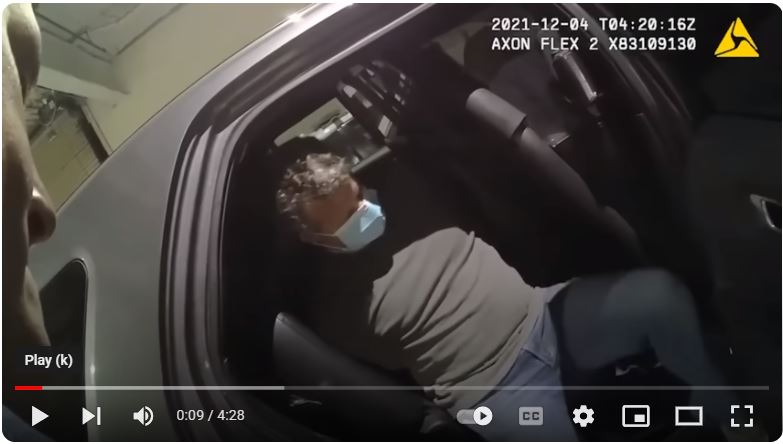
400K settlement after being arrested for a DUI, even though he passed breath and blood tests
A Colorado man is poised to receive a $400,000 settlement from city authorities after being wrongfully arrested for a DUI, even though he had passed both a breath and blood test.According to the complaint, Elias was driving southbound on College Avenue in Fort Collins...

When Being Questioned by the Police: Can They Lie to You?
When Being Questioned by the Police: Can They Lie to You? Introduction In the United States, police officers are generally allowed to lie to suspects during interrogations. This is a controversial practice, but it has been upheld by the Supreme Court. There are some...

Ohio Bill Introduced to Allow Each City to Ban Marijuana
With just over a week until Ohio’s voter-approved marijuana legalization law takes effect, a lawmaker has introduced a bill that would allow individual municipalities to locally ban the use and home cultivation of cannabis in their jurisdictions. The legislation aims...

Appeals Court – Detroit’s Asset Forfeiture Violates Due Process
A federal circuit judge writes that Detroit's vehicle seizure scheme "is simply a money-making venture—one most often used to extort money from those who can least afford it." A panel of federal appellate judges ruled that Detroit's practice of seizing people's cars...

NEWS RELEASE: USSC Adopts 2023 Amendments
WASHINGTON, D.C. ― Equipped with a quorum of Commissioners for the first time since 2018, the bipartisan United States Sentencing Commission voted today to promulgate amendments to the federal sentencing guidelines. “The Sentencing Commission is back in business,”...
Bad Ranking For Transparency in the Michigan Justice System
by Wes Smith, president, MPA Board of DirectorsPublisher View Newspaper Group When there was a change in leadership in Michigan’s legislature earlier this year, hope rose again in the hearts of citizens who want a more transparent state government. Maybe, it was...